Stepping into the world of beauty consulting opens up a fascinating journey of learning and growth. Recently, I had the chance to join an in-house training session designed specifically for beauty consultants, and it was nothing short of eye-opening.
From mastering the latest skincare trends to understanding client psychology, the experience truly enriched my professional toolkit. What stood out most was how practical and interactive the training was, making complex concepts easy to grasp.
If you’re curious about how such programs can elevate your skills and boost confidence in client interactions, you’re in the right place. Let’s dive in and explore the details together!
Enhancing Product Knowledge for Real Confidence
Delving into Ingredients and Benefits
One of the most enlightening parts of the training was how deeply we explored skincare ingredients. Instead of just memorizing product names, the session encouraged us to understand why certain components work well for specific skin types.
For example, learning about hyaluronic acid’s moisture retention or niacinamide’s role in calming inflammation made me realize how much science backs beauty products.
This knowledge transformed my approach from surface-level selling to genuinely advising clients based on their unique needs. I could feel the boost in my confidence as I pictured real conversations, where I wouldn’t just push a product but explain its benefits clearly.
Hands-On Product Demonstrations
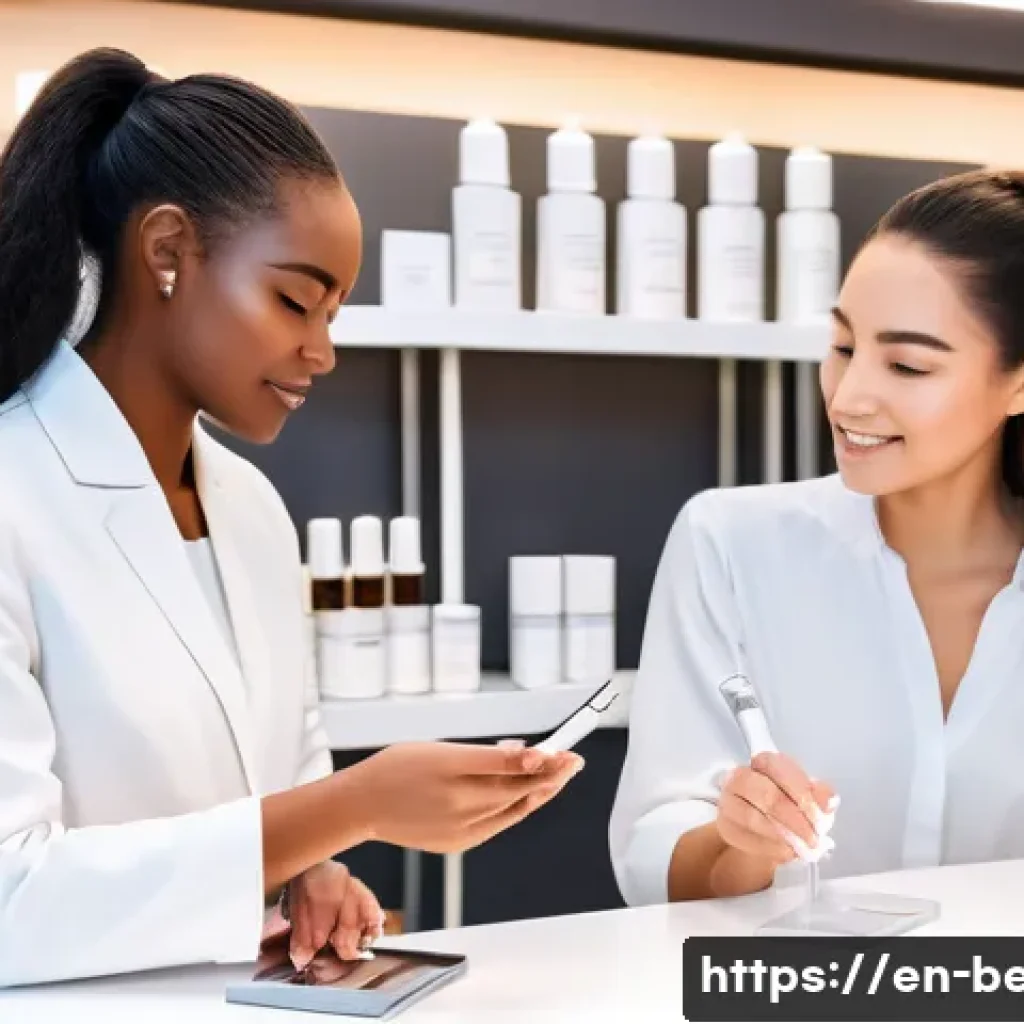
Theory alone can feel dry, but this training balanced it perfectly with live demos. We got to test products on ourselves and on mock clients, which helped solidify the information.
Trying out textures, scents, and absorption rates made it easier to recommend based on client preferences. Plus, seeing immediate results on skin samples gave us firsthand evidence to back up claims.
I remember one moment when a colleague applied a serum on my hand, and the instant glow was undeniable — that kind of experience translates powerfully when speaking with customers.
Customizing Recommendations for Diverse Skin Types
Understanding that no two clients are the same was a key takeaway. The training highlighted how to tailor advice depending on skin concerns such as dryness, sensitivity, or oiliness.
Role-playing exercises helped me practice asking the right questions and listening actively to client feedback. It became clear that building trust isn’t about pushing every new launch but about crafting personalized routines that clients feel confident about.
This skill alone, I believe, can increase repeat visits and foster long-term relationships.
Mastering Client Communication and Psychology
Reading Between the Lines: Nonverbal Cues
The session on client psychology was surprisingly insightful. We learned that much of communication happens without words — through body language, tone, and facial expressions.
For instance, a hesitant nod or a slight frown can signal doubts or concerns that clients might not voice outright. By becoming more attuned to these subtle signals, I found I could address unspoken worries before they became objections.
This proactive listening feels like a secret weapon in enhancing client satisfaction.
Building Rapport with Empathy and Authenticity
The trainers emphasized the power of genuine connection. Instead of scripted pitches, they encouraged us to share personal anecdotes or experiences that resonate with clients.
For example, mentioning how I struggled with dry skin during winter seasons made my recommendations feel more relatable. This approach not only humanizes the interaction but also creates a safe space where clients feel heard and valued.
I noticed that when I dropped the salesy tone, conversations flowed more naturally, and clients opened up more.
Handling Difficult Conversations Gracefully
Not every client interaction is smooth sailing. The training prepared us to navigate challenging scenarios, like dealing with dissatisfied clients or managing unrealistic expectations.
Techniques like active listening, staying calm, and offering alternative solutions were role-played repeatedly. I recall a scenario where I had to explain why a product wouldn’t suit a client’s skin type without offending them — practicing this helped me find a balance between honesty and kindness.
These skills are crucial in maintaining professionalism and preserving customer loyalty.
Interactive Learning Techniques That Stick
Group Discussions and Peer Feedback
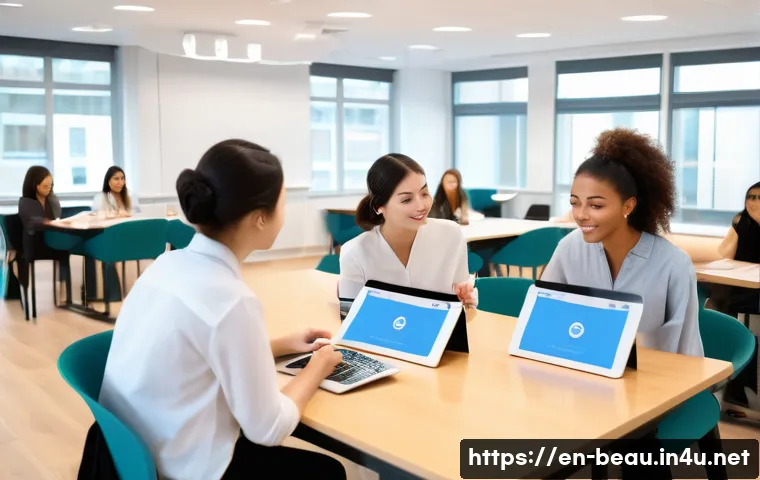
Unlike traditional lectures, this training thrived on interaction. Small group discussions allowed us to share experiences and brainstorm solutions collectively.
I found it refreshing to hear different perspectives, especially from more seasoned consultants who offered practical tips from their own encounters. Peer feedback sessions helped identify blind spots I hadn’t noticed, like my tendency to rush explanations.
This collaborative environment made learning feel like a shared adventure rather than a one-sided monologue.
Role-Playing Real-World Scenarios
Hands-on role-playing was perhaps the most effective method. Acting out customer consultations gave me a chance to experiment with new phrases and approaches in a safe space.
Each scenario was designed to mimic real store situations, from welcoming walk-ins to managing returns. What I appreciated most was the immediate constructive feedback from trainers, which helped me refine my tone and body language on the spot.
This practice made the transition to actual client interactions much smoother.
Utilizing Technology for Visual Learning
The training incorporated digital tools like interactive quizzes and video tutorials, which appealed to different learning styles. For example, watching a step-by-step facial massage technique on screen and then practicing it physically helped cement the skill.
These tech elements also made it easier to revisit content after the session, serving as handy refreshers when on the job. Personally, having access to these resources boosted my motivation to keep learning beyond the classroom.
Time Management and Workflow Optimization
Balancing Client Time Without Rushing
One challenge many beauty consultants face is managing time efficiently while still providing personalized service. The training addressed this by teaching techniques to prioritize client needs without making them feel hurried.
For instance, starting consultations with open-ended questions helped identify key concerns quickly, allowing for focused recommendations. I realized that quality doesn’t have to be sacrificed for speed; rather, it’s about working smarter with clear communication.
Organizing Product Displays and Samples
Another practical tip involved optimizing the physical workspace. We learned how to arrange products and samples strategically to facilitate smooth demonstrations and easy access.
This not only enhances the customer experience but also speeds up service. I experimented with grouping products by skin type or concern, which made my explanations more coherent and visually appealing.
A tidy, well-organized counter creates a professional impression and reduces stress during busy periods.
Effective Follow-Up Strategies
Maintaining client relationships doesn’t end at checkout. The training emphasized follow-up as a key driver for repeat business. Simple actions like sending personalized thank-you messages or reminders about product restocks can make a big difference.
Role-playing follow-up conversations helped me craft scripts that felt warm and genuine rather than pushy. Incorporating follow-up into daily workflow ensures clients feel valued and keeps them coming back.
Tracking Progress and Setting Personal Goals
Using Metrics to Measure Success
One eye-opener was learning how to track performance beyond just sales numbers. The training introduced metrics like client satisfaction scores, average consultation time, and product return rates as indicators of service quality.
By monitoring these, I gained a clearer picture of areas needing improvement. For example, if satisfaction dips, it’s a cue to revisit communication techniques or product knowledge.
This data-driven approach adds a layer of professionalism that elevates the consultant role.
Setting Achievable Milestones
Goal-setting was integrated into the training to encourage continuous growth. We were guided to create realistic milestones, such as mastering a new skincare line each month or increasing client retention by a certain percentage.
I found this motivating because it breaks down long-term development into manageable steps. Celebrating small wins keeps morale high and builds momentum.
It’s a reminder that becoming a top-tier beauty consultant is a journey, not an overnight achievement.
Reflecting for Continuous Improvement
Reflection exercises were incorporated regularly, prompting us to evaluate what worked well and what could be better. Writing down daily experiences helped me identify patterns, like which product explanations resonated most or which client concerns came up frequently.
This habit encourages a growth mindset, where mistakes are seen as learning opportunities. Personally, reflection has become a vital part of my routine, helping me stay adaptable and client-focused.
Summary of Training Components and Benefits
| Training Component | Key Focus | Practical Benefit |
|---|---|---|
| Product Knowledge | Ingredients, benefits, customization | Confident, tailored recommendations |
| Client Psychology | Nonverbal cues, empathy, handling objections | Stronger rapport, smoother difficult conversations |
| Interactive Methods | Role-playing, group discussions, tech tools | Improved communication, skill retention |
| Time Management | Efficient consultations, workspace organization | Balanced service, professional environment |
| Performance Tracking | Metrics, goal-setting, reflection | Continuous growth, measurable success |
Conclusion
Enhancing product knowledge and mastering client communication truly transforms the way we connect with customers. This training not only boosted my confidence but also equipped me with practical skills to deliver personalized, meaningful consultations. By integrating interactive learning and effective time management, I now feel prepared to offer professional and empathetic service. Continuous reflection and goal-setting ensure ongoing growth in this dynamic role.
Useful Information to Keep in Mind
1. Deep understanding of ingredients helps tailor recommendations that meet individual skin needs.
2. Nonverbal cues are powerful tools for addressing unspoken client concerns early on.
3. Role-playing real scenarios improves communication skills and builds confidence before actual client interactions.
4. Organizing your workspace efficiently can enhance customer experience and streamline service.
5. Regularly tracking performance and reflecting on experiences supports steady personal and professional development.
Key Takeaways for Success
Mastering product knowledge and client psychology forms the foundation for building trust and delivering tailored advice. Interactive learning methods and time management strategies help maintain a smooth workflow without sacrificing quality. Prioritizing follow-up and tracking progress ensures long-term client relationships and measurable growth. Embracing these principles creates a rewarding and sustainable career in beauty consulting.
Frequently Asked Questions (FAQ) 📖
Q: What are the key benefits of attending an in-house training session for beauty consultants?
A: Attending an in-house training session offers several advantages, such as gaining hands-on experience with the latest skincare products and techniques, learning to read and respond to client needs more effectively, and building confidence in communication.
From my experience, these sessions are designed to be interactive, which makes absorbing complex information much easier. Plus, they often provide insider industry knowledge that you won’t find in general courses, giving you a real edge when working with clients.
Q: How does understanding client psychology improve a beauty consultant’s performance?
A: Understanding client psychology is a game-changer in beauty consulting. It helps you connect with clients on a deeper level by recognizing their concerns, preferences, and emotional triggers.
When I started applying psychological insights, I noticed clients felt more heard and valued, which naturally increased their trust and willingness to follow recommendations.
This not only enhances customer satisfaction but also boosts repeat business and referrals, ultimately improving your overall success as a consultant.
Q: Can in-house training sessions really help boost confidence when interacting with clients?
A: Absolutely. In-house training sessions are specifically tailored to simulate real client interactions, which is incredibly effective in building confidence.
From personal experience, practicing communication skills and product demonstrations in a supportive environment helped me overcome initial nervousness.
The immediate feedback from trainers and peers also gave me practical tips to refine my approach. By the time I started applying what I learned in real situations, I felt much more self-assured and capable of handling diverse client needs.