Navigating the latest beauty consultant exam can feel overwhelming with constantly evolving industry standards and new techniques emerging every year.

Staying updated not only boosts your confidence but also sharpens the skills clients truly value. Whether you’re just starting out or aiming to renew your certification, understanding the current exam format and key focus areas is essential for success.
From practical assessments to theory questions, the exam reflects real-world beauty consulting challenges. Let’s dive in and explore the most effective strategies and insider tips that will help you ace the test with ease.
Get ready—I’ll walk you through everything you need to know in detail!
Understanding the Current Exam Structure and Key Components
Breaking Down the Exam Format
The latest beauty consultant exam has evolved into a comprehensive evaluation that blends both theoretical knowledge and practical skills. From my experience, the exam typically consists of multiple-choice questions, case studies, and hands-on assessments that mimic real client scenarios.
This structure ensures you’re not just memorizing facts but applying what you know in ways that truly matter in a salon or retail environment. For example, you might be asked to recommend skincare routines based on different skin types or demonstrate makeup techniques that suit various face shapes.
Understanding this format beforehand helps you allocate your study time effectively and reduces test-day anxiety.
Core Topics You Can Expect
Focusing your preparation on the right topics is crucial. The exam usually covers skin anatomy, product knowledge, customer communication, and current beauty trends.
Personally, I found that brushing up on the science behind ingredients and how they affect different skin types made a huge difference. Additionally, communication skills are tested through role-playing scenarios, where you must display empathy and professionalism.
It’s not just about technical skills; examiners want to see that you can build trust and personalize advice confidently. Keeping these core topics in mind helps you prioritize what to study deeply.
Time Management Tips During the Exam
One of the trickiest parts is managing the time allotted for each section. When I took the exam, I realized spending too long on theory questions left me rushed during the practical segment.
A good strategy is to quickly skim through all questions first, answer the easy ones, and then circle back to tougher items. Practicing timed mock exams can build your pacing skills and prevent last-minute stress.
Don’t forget to leave a few minutes at the end to review your answers; even small mistakes can cost valuable points.
Mastering Practical Skills with Real-World Application
Hands-On Techniques You Must Nail
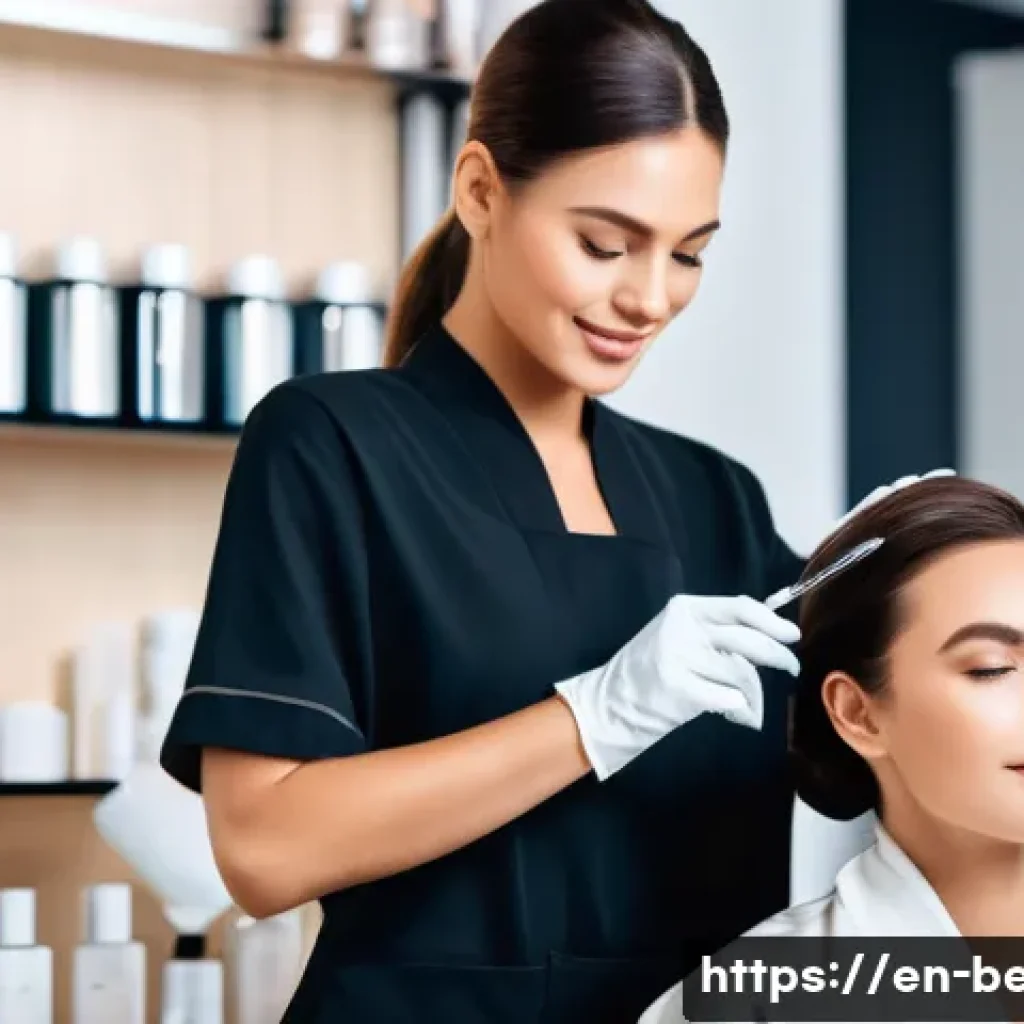
The practical portion often involves demonstrating your ability to perform beauty treatments or consultations accurately and hygienically. From my experience, examiners pay close attention to your sanitation practices, tool handling, and step-by-step execution.
For example, when applying facial treatments, ensuring clean brushes and gloves is just as important as the technique itself. Practicing these skills repeatedly in a realistic setting—whether with friends or clients—builds muscle memory and confidence.
I found recording myself and reviewing the footage helped me spot and correct minor errors I hadn’t noticed otherwise.
Simulating Client Consultations
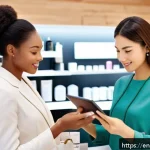
Being able to assess client needs and recommend personalized solutions is at the heart of the exam. During preparation, role-playing various client types with friends or mentors can be invaluable.
Think about how you’d handle a client with sensitive skin or one looking for anti-aging advice. I noticed that tailoring your language to be both informative and reassuring creates a stronger impression.
The ability to listen actively and respond thoughtfully often sets top candidates apart. This part isn’t just about what you say but how you make the client feel heard and valued.
Essential Tools and Products to Know Inside Out
Familiarity with the latest beauty tools and product lines can give you an edge. For instance, knowing the benefits of different serums, exfoliants, or makeup brushes—and when to use them—shows examiners you’re current with industry innovations.
I made it a point to visit beauty stores and ask consultants about trending items, which helped me understand practical applications better. Don’t overlook the importance of eco-friendly and cruelty-free products; many exams now emphasize sustainable beauty practices, reflecting broader consumer demand.
Effective Study Techniques Tailored for Beauty Consultants
Combining Visual and Hands-On Learning
Beauty consulting is a tactile profession, so passive reading won’t cut it. I recommend combining textbooks with video tutorials and hands-on practice.
Watching professionals perform treatments allows you to mimic their techniques and pick up subtle details like brush angles or pressure. Practicing on yourself or willing friends reinforces muscle memory and builds confidence.
This multi-sensory approach keeps studying engaging and helps information stick longer.
Leveraging Study Groups and Mentorship
Joining study groups or finding a mentor in the beauty industry can make preparation less isolating and more effective. I personally benefited from weekly meetups where we reviewed exam topics, exchanged feedback, and practiced consultations.
A mentor’s real-world insights helped me avoid common pitfalls and stay motivated. Plus, discussing challenging topics aloud often clarifies concepts better than solo study.
Don’t hesitate to reach out to experienced consultants who’ve recently passed the exam; their tips can be pure gold.
Creating a Realistic Study Schedule
Consistency beats cramming, especially with a broad syllabus. When I was preparing, breaking down topics into manageable daily chunks prevented overwhelm.
For example, allocate mornings to skincare theory and afternoons to practical drills. Use weekends for mock exams and review sessions. Tracking your progress with a planner or app keeps you accountable and highlights areas needing extra focus.
Remember to build in rest days; burnout can sabotage even the best-laid plans.
Key Changes in Industry Standards Affecting the Exam

Increased Emphasis on Sustainability
Recent updates to the exam reflect the beauty industry’s growing commitment to sustainability. Expect questions and practical scenarios involving eco-conscious products, waste reduction, and ethical sourcing.
When I encountered these topics, I realized that understanding ingredients’ environmental impact and promoting refillable packaging are no longer optional knowledge but exam essentials.
Demonstrating awareness of these trends shows you’re ready to meet modern client expectations and industry demands.
Integration of Technology in Beauty Consulting
Technology is transforming how beauty consultants assess and recommend treatments. The exam now includes content on digital skin analysis tools, virtual consultations, and AI-powered product recommendations.
While this might feel daunting, embracing these innovations can actually simplify your workflow and impress examiners. I suggest familiarizing yourself with popular apps and devices through online demos or in-store trials.
Being tech-savvy signals that you’re adaptable and forward-thinking in a rapidly evolving field.
New Regulations and Safety Protocols
Health and safety remain paramount, especially post-pandemic. The exam rigorously tests your knowledge of updated sanitation guidelines, client screening procedures, and allergy awareness.
During my prep, I found it helpful to review official health department resources and salon protocols to stay current. Demonstrating meticulous hygiene and risk management is crucial—not just for passing the exam but for building lasting client trust and professional credibility.
Strategic Review of Practice Questions and Mock Exams
Types of Questions to Expect
The exam’s theory section blends straightforward recall questions with scenario-based problems. For instance, you might be asked to identify the best product for oily skin or troubleshoot a client’s reaction to a new treatment.
These questions test both your factual knowledge and critical thinking. I discovered that tackling past papers helped me recognize common question patterns and sharpen my reasoning skills.
Don’t just memorize answers; focus on understanding the ‘why’ behind them.
Benefits of Timed Mock Exams
Taking full-length, timed mock exams replicates the pressure of the actual test day, which is invaluable. I noticed that practicing under timed conditions helped me improve pacing and reduce exam stress significantly.
Mock exams also highlight weak spots that need more review. After each practice session, spend time analyzing mistakes and revisiting those topics. This iterative process boosts your confidence and performance on the big day.
Using Feedback to Enhance Performance
Getting constructive feedback from instructors or peers after mock tests accelerates learning. I remember one mentor pointing out my tendency to rush through practical steps, which compromised quality.
Adjusting based on this feedback made my approach more thorough and polished. Seek detailed critiques whenever possible and treat them as opportunities for growth rather than criticism.
This mindset shift can transform your preparation experience and outcomes.
Comprehensive Overview of Exam Content and Weightage
| Exam Section | Description | Approximate Weightage |
|---|---|---|
| Theory | Includes skin anatomy, product knowledge, client consultation principles, and industry regulations. | 40% |
| Practical Skills | Hands-on demonstration of beauty treatments, hygiene protocols, and tool usage. | 35% |
| Client Interaction | Role-playing client consultations, communication skills, and personalized recommendations. | 15% |
| Current Trends & Safety | Focus on sustainability, technology integration, and updated safety guidelines. | 10% |
글을 마치며
Preparing for the beauty consultant exam requires a balanced approach, combining solid theoretical knowledge with practical skills and client interaction. By understanding the exam structure and staying updated on industry trends, you can approach the test with confidence and professionalism. Remember, consistent practice and real-world application will set you apart. Embrace every step of your preparation as a valuable learning experience that will benefit your career long after the exam.
알아두면 쓸모 있는 정보
1. Prioritize hands-on practice alongside studying theory to build confidence and muscle memory in real client scenarios.
2. Use timed mock exams to improve your pacing and reduce stress on the actual test day.
3. Keep up with sustainability trends and new technology in beauty consulting to stay relevant and impress examiners.
4. Role-playing client consultations helps develop communication skills and the ability to personalize recommendations effectively.
5. Seek feedback from mentors or peers frequently to identify and correct weaknesses before the exam.
핵심 포인트 요약
The exam tests a blend of theory, practical skills, client communication, and awareness of current industry standards. Success hinges on understanding this multifaceted format and preparing accordingly. Time management, real-world practice, and staying informed about sustainability and technology trends are essential. Consistent review and feedback will polish your performance and build the professional confidence needed to excel.
Frequently Asked Questions (FAQ) 📖
Q: What are the main components of the current beauty consultant exam, and how should I prepare for each?
A: The beauty consultant exam typically combines both practical and theoretical elements to assess your overall skill set. Practically, you’ll need to demonstrate hands-on techniques such as skin analysis, product recommendations, and client consultations.
On the theory side, expect questions about product ingredients, skin types, and industry trends. From my experience, breaking down your study sessions by these categories works best—spend time practicing real client scenarios and review up-to-date theory materials.
Also, don’t underestimate mock exams; they simulate the pressure and help you identify weak spots before the real test day.
Q: How can I stay updated with the latest beauty trends and exam changes without feeling overwhelmed?
A: Keeping up with rapidly changing beauty standards can be daunting, but it’s all about smart information management. I found subscribing to a few trusted industry newsletters and following expert beauty consultants on social media invaluable.
They distill the most relevant updates without flooding your inbox. Also, joining professional forums or local study groups creates a support network where you can exchange tips and insights.
Remember, you don’t have to learn everything at once—focus on trends that align with exam content and practical client needs, and gradually build your knowledge.
Q: What insider tips can help boost confidence and performance during the beauty consultant exam?
A: Confidence really comes from preparation and mindset. One tip that helped me was simulating real client interactions during practice—this made the practical exam feel less intimidating.
Arrive early on exam day to settle your nerves and review key notes. During the test, if you hit a tricky question, don’t get stuck; move on and circle back later.
Also, keep in mind that examiners look for your ability to apply knowledge practically, not just memorize facts. Showing genuine enthusiasm and clear communication during consultations can make a positive impression and set you apart.