In today’s fast-evolving beauty industry, finding a role that truly aligns with your passion and skills can feel overwhelming. With new trends and technologies constantly reshaping the landscape, choosing the perfect beauty consultant position requires more than just enthusiasm—it demands insight and strategic thinking.
Whether you’re a makeup enthusiast, skincare expert, or product guru, understanding where your strengths fit best is key to long-term success. Let’s explore how you can navigate this dynamic field and discover a role that not only fuels your passion but also leverages your unique talents.
Stick around to uncover practical tips that can transform your career journey in beauty consulting.
Exploring Diverse Roles in the Beauty Consulting World
Understanding Core Responsibilities Across Positions
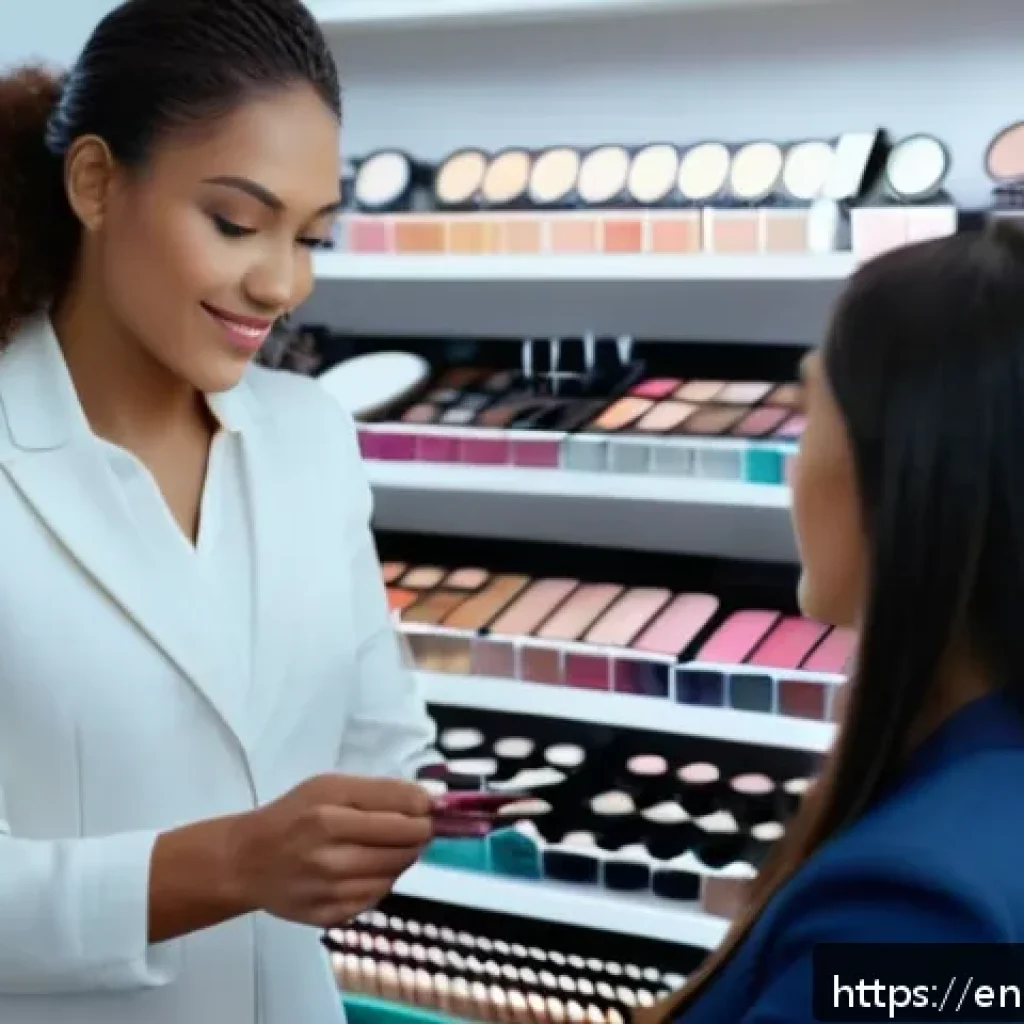
In the beauty industry, consulting roles vary widely depending on the focus area, whether it’s makeup, skincare, haircare, or product development. For instance, a makeup consultant often spends their day advising clients on color matching, application techniques, and product selection tailored to individual skin tones and occasions.
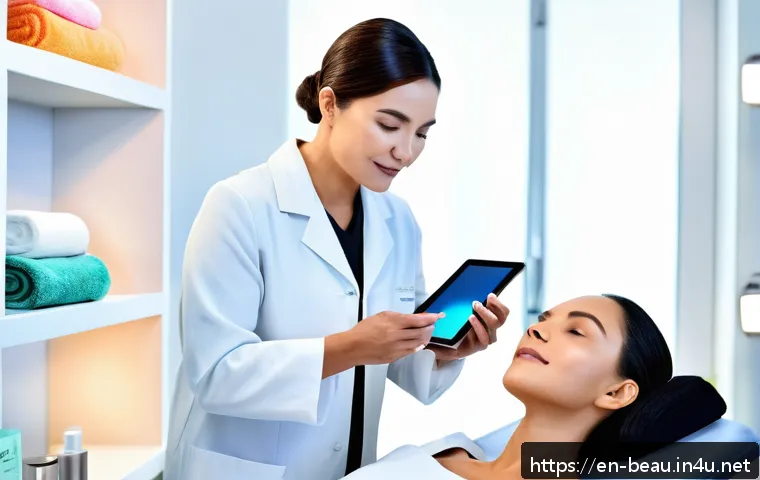
On the other hand, a skincare consultant dives deeper into analyzing skin types, recommending personalized routines, and educating clients on ingredient benefits and potential sensitivities.
There’s also a growing demand for product specialists who not only understand the science behind formulations but also help brands position their products effectively in a crowded market.
Each role requires a unique blend of knowledge and interpersonal skills, so pinpointing what excites you most about beauty is crucial before narrowing down your career path.
Matching Your Personality and Strengths to Job Demands
It’s tempting to jump straight into the most glamorous or popular roles, but your natural tendencies should guide your choice. If you thrive on social interaction and love hands-on demonstrations, roles with direct client engagement like in-store beauty advisors or freelance makeup artists might be your best fit.
Conversely, if you prefer research, data analysis, or crafting content, positions such as brand strategist or product educator could offer more fulfillment.
I’ve personally noticed that people who take time to reflect on what energizes them tend to stay motivated and perform better in the long run. Consider taking personality assessments or seeking feedback from peers to uncover hidden strengths that align with specific beauty consulting roles.
Typical Career Pathways and Growth Opportunities
Starting as an entry-level beauty consultant often involves gaining foundational knowledge and building client relationships. From there, many professionals move into specialized niches or managerial roles.
For example, a skincare consultant might progress to become a clinical advisor, collaborating with dermatologists and product developers, while makeup consultants could expand into professional artistry for events or media.
The beauty industry also offers entrepreneurial pathways, such as launching your own brand or consultancy. Recognizing these trajectories early helps you set realistic goals and identify skills you’ll need to cultivate.
I’ve seen colleagues who actively pursue certifications and workshops accelerate their careers much faster than those who don’t.
Staying Ahead with Industry Trends and Innovations
Embracing Technology and Digital Tools
The beauty world is no stranger to innovation, and consultants who adapt to digital tools gain a significant advantage. Virtual try-on apps, AI-driven skin analysis, and social media platforms have transformed how consultants connect with clients and showcase products.
Learning to navigate these technologies can enhance your service quality and expand your reach beyond physical stores. For example, I experimented with a virtual makeup app recently and was amazed at how it helped clients make confident choices without needing in-person trials.
Embracing these tools not only boosts your efficiency but also positions you as a forward-thinking professional in a competitive market.
Following Consumer Behavior Shifts
Consumers today demand transparency, sustainability, and personalized experiences more than ever before. This shift impacts what products you recommend and how you communicate with clients.
Keeping up with eco-friendly brands, cruelty-free certifications, and ingredient safety regulations ensures your advice is trustworthy and relevant. Moreover, understanding demographic trends—like the rise of Gen Z’s preference for inclusive and gender-neutral beauty products—enables you to anticipate client needs proactively.
I recall working with a client who was deeply concerned about sustainability; being well-versed in green beauty allowed me to build trust quickly and recommend fitting options that delighted her.
Networking and Continuous Learning
Industry events, webinars, and beauty expos are goldmines for learning and building connections. Attending these helps you stay informed about the latest launches, regulatory updates, and market trends.
More importantly, networking with fellow consultants, brand reps, and influencers can open doors to mentorship and collaboration opportunities. From my experience, the beauty community is incredibly supportive, and investing time in these relationships pays dividends in knowledge and career advancement.
Building a Personal Brand That Resonates
Crafting Your Unique Selling Proposition (USP)
In a sea of beauty consultants, what makes you stand out? Your USP might be your expertise in natural skincare, your flair for bridal makeup, or your knack for decoding complex ingredient lists in simple terms.
Defining this clearly helps you attract the right clients and employers. I found that when I emphasized my passion for cruelty-free products in my profile and interactions, I naturally connected with like-minded clients who became loyal followers and advocates.
Leveraging Social Media for Visibility
Platforms like Instagram, TikTok, and YouTube aren’t just for influencers—they’re powerful tools for beauty consultants to showcase skills, share tutorials, and build credibility.
Consistent content that reflects your USP, such as before-and-after transformations or honest product reviews, can drive engagement and trust. I started posting quick skincare tips and noticed a significant uptick in inquiries, which eventually translated into bookings.
Authenticity and responsiveness are key here; audiences appreciate when you genuinely engage rather than just promote.
Gathering and Showcasing Client Testimonials
Nothing speaks louder than positive client feedback. Requesting testimonials after consultations or services and featuring them on your website or social profiles enhances your trustworthiness.
I always encourage clients to share their experiences, and over time, these stories have become a powerful marketing tool that boosts my credibility and attracts new business.
Skills and Certifications That Elevate Your Expertise
Essential Technical Skills to Master
Beyond passion, solid technical skills are the backbone of effective beauty consulting. This includes mastering makeup application techniques, understanding skin physiology, and being familiar with product formulations.
Additionally, soft skills like communication, empathy, and problem-solving are equally critical to tailoring advice and ensuring client satisfaction. I’ve learned that even when a client comes in overwhelmed by options, breaking down information clearly and patiently makes all the difference.
Valuable Certifications and Training Programs
Investing in recognized certifications can dramatically enhance your credibility. Programs offered by organizations such as the International Dermal Institute, CIDESCO, or specific brand academies provide in-depth knowledge and often hands-on experience.
I took a specialized course in advanced skincare ingredients last year, and it not only boosted my confidence but also made clients trust my recommendations more deeply.
These credentials often open doors to higher-paying roles or specialized consulting gigs.
Ongoing Professional Development
The beauty industry evolves rapidly, so continuous learning is non-negotiable. Subscribing to industry journals, joining professional groups, and regularly attending workshops keep your knowledge fresh.
I make it a point to dedicate time monthly to update my skills, which helps me stay relevant and competitive. Plus, it’s incredibly motivating to learn about breakthrough products or techniques that can improve client outcomes.

Understanding the Business Side of Beauty Consulting
Managing Client Relationships Effectively
Building trust and rapport with clients is the foundation of a successful consulting career. This involves active listening, personalized follow-ups, and maintaining confidentiality.
I’ve found that remembering small details about clients’ preferences or past concerns fosters loyalty and encourages repeat business. Using CRM tools or simple spreadsheets to track client histories can streamline this process and improve service quality.
Pricing Strategies and Negotiation Tips
Setting your rates confidently can be tricky but is essential for sustainability. Researching market rates, considering your experience level, and factoring in overhead costs help you price services fairly.
When negotiating, focusing on the value you provide rather than just the cost reassures clients and justifies your fees. I once had a hesitant client who agreed to a premium package after I explained how tailored recommendations would save her money in the long run by avoiding ineffective products.
Marketing and Growing Your Client Base
Beyond word-of-mouth, strategic marketing is key. This could include collaborations with local salons, running seasonal promotions, or leveraging email newsletters to stay top of mind.
I experimented with offering free mini-consultations during holidays, which brought in new clients who later booked full sessions. Diversifying your marketing channels ensures you reach varied audiences and sustain steady growth.
Comparing Beauty Consulting Roles and Their Requirements
| Role | Primary Focus | Key Skills | Typical Work Environment | Growth Potential |
|---|---|---|---|---|
| Makeup Consultant | Product application, client makeover | Color theory, client communication, artistry | Retail stores, freelance, events | High (specialist, media artist) |
| Skincare Consultant | Skin analysis, routine recommendations | Dermatology basics, ingredient knowledge, empathy | Clinics, spas, retail | Moderate (clinical advisor, educator) |
| Product Specialist | Product knowledge, brand positioning | Scientific understanding, marketing, presentation | Brand offices, training centers | High (brand manager, R&D) |
| Beauty Advisor | Customer service, sales support | Product familiarity, interpersonal skills | Retail | Moderate (store manager, trainer) |
| Freelance Consultant | Varied client services, entrepreneurship | Versatility, self-marketing, business skills | Flexible (home, events, online) | Variable (growth depends on networking) |
Balancing Passion with Practicality in Career Decisions
Evaluating Work-Life Balance and Job Satisfaction
While passion drives initial interest, long-term happiness depends on how well a role fits your lifestyle. Some beauty consultant jobs demand weekend or evening hours, which might conflict with personal commitments.
I’ve known professionals who switched to behind-the-scenes roles for more predictable schedules, which increased their overall satisfaction. Reflect honestly on your priorities to avoid burnout.
Financial Considerations and Stability
Beauty consulting can range from part-time gigs to full-fledged careers with varying income levels. Understanding the financial realities upfront—such as commission structures, salary ranges, and potential freelance fluctuations—helps you plan accordingly.
Personally, I started part-time while keeping another job, which gave me financial security while building my client base gradually.
Exploring Hybrid Roles and Side Hustles
Many beauty consultants combine their skills with related fields like wellness coaching, content creation, or sales to diversify income and experiences.
For example, writing beauty blogs or hosting workshops can supplement earnings and enhance your reputation. I experimented with YouTube tutorials alongside consultations, which not only brought extra income but also expanded my network significantly.
Hybrid roles offer flexibility and keep your career exciting and resilient.
Effective Communication Strategies with Clients
Active Listening and Personalized Advice
Clients appreciate when you truly hear their concerns and goals. Practicing active listening—repeating back what you understood and asking clarifying questions—builds trust and ensures your recommendations hit the mark.
I often jot down notes during consultations to tailor follow-ups precisely, which clients notice and value immensely.
Handling Difficult Conversations Gracefully
Sometimes, you may need to deliver unwelcome news, such as advising against popular but unsuitable products. Approaching these conversations with empathy and providing clear explanations helps clients feel respected rather than discouraged.
I remember gently steering a client away from harsh exfoliants that could damage her sensitive skin, which she later thanked me for after seeing improvements.
Encouraging Client Engagement and Feedback
Inviting clients to share their experiences post-consultation creates a collaborative atmosphere and continuous improvement. I typically follow up with a friendly message asking how they’re enjoying new products or routines, which often leads to valuable insights and stronger relationships.
This ongoing dialogue not only boosts client satisfaction but also helps refine your approach over time.
In Conclusion
The beauty consulting world offers a rich variety of roles, each with unique challenges and rewards. Finding the right fit depends on understanding your strengths, interests, and the evolving industry landscape. By staying informed and continuously developing your skills, you can build a fulfilling and sustainable career. Remember, your passion combined with practical strategies will set you apart in this vibrant field.
Useful Information to Keep in Mind
1. Identifying your personality and strengths is key to choosing the most satisfying beauty consulting role.
2. Embracing technology like virtual try-on apps can expand your client reach and improve service quality.
3. Networking and ongoing education are essential for staying current and advancing your career.
4. Building a personal brand that highlights your unique skills helps attract loyal clients.
5. Understanding the business side—including pricing, marketing, and client management—ensures long-term success.
Key Takeaways
Success in beauty consulting comes from blending expertise with empathy and adaptability. Prioritize roles that align with your natural abilities and lifestyle preferences to maintain motivation. Keep up with industry trends and invest in certifications to enhance credibility. Effective communication and personalized client care build trust and repeat business. Finally, balancing passion with practical business strategies will help you thrive in this competitive yet rewarding profession.
Frequently Asked Questions (FAQ) 📖
Q: uestionsQ1: How can I identify which beauty consultant role suits my skills best?
A: Start by assessing your core interests—whether it’s makeup artistry, skincare expertise, or product knowledge. Reflect on your past experiences and feedback to pinpoint strengths.
For example, if clients often praise your skincare advice, focusing on that niche might be ideal. Additionally, researching current market demands and trends can help you align your skills with roles that offer growth.
Networking with professionals in different beauty sectors can provide firsthand insights that sharpen your understanding.
Q: What strategies can help me stay updated with the fast-changing beauty industry?
A: Staying current requires a mix of habits. Follow leading beauty brands and influencers on social media to catch real-time trends. Subscribing to industry newsletters and attending webinars or trade shows offers deeper knowledge about emerging technologies and consumer preferences.
Personally, I found setting aside 15 minutes daily to read beauty news or watch tutorials keeps me ahead. Also, experimenting with new products yourself not only builds expertise but makes your recommendations more authentic.
Q: How do I turn my passion for beauty into a sustainable career?
A: Passion is a great starting point, but pairing it with continuous learning and professionalism makes it sustainable. Build a solid foundation by gaining certifications or training in your chosen specialty.
Establish a personal brand by sharing your insights through blogs, social media, or workshops—this builds credibility and attracts clients or employers.
Lastly, be adaptable; the beauty industry evolves rapidly, so embracing change and seeking new skills can open doors to exciting opportunities. From my experience, combining passion with persistence and adaptability truly fuels long-term success.