Is there anything more exhilarating than diving headfirst into the vibrant, ever-evolving world of beauty? As someone who’s been navigating the contours of this exciting industry for years, I totally get that rush of passion.
You’re probably dreaming of helping clients discover their best selves, curating stunning looks, and perhaps even building your own empire. But let’s be real, turning that dream into a tangible, thriving career as a beauty consultant isn’t just about passion; it requires smarts, strategy, and continuous learning.
With new trends emerging daily—from hyper-personalized skincare routines driven by AI to the booming demand for sustainable and ethically sourced products—staying on top of your game is more crucial than ever.
It can feel a bit overwhelming, right? Juggling product knowledge, client psychology, business acumen, and ever-changing beauty standards demands a structured approach.
I remember feeling a bit lost myself at first, trying to absorb everything all at once. That’s why having a solid, personalized study schedule isn’t just a good idea; it’s your secret weapon for success, confidence, and truly owning your expertise.
It’s how you go from aspiring to inspiring, ensuring you’re not just keeping up, but leading the way in this dynamic field. Let’s get into the specifics of how to craft a winning study schedule that works just for you!
Charting Your Course: Navigating the Beauty Education Landscape
As someone who’s journeyed through countless beauty courses and certifications, I can tell you that the very first step in crafting your ultimate study schedule is truly understanding the vast landscape of beauty education.
It’s not just about picking up a textbook; it’s about strategically deciding where you want to plant your flag. Do you envision yourself as a skincare guru, diving deep into dermatological science and advanced treatments?
Or perhaps a makeup artistry maven, specializing in bridal looks or special effects? Maybe you dream of being a holistic beauty advocate, blending wellness with outer glow.
Your passion will naturally guide you, but it’s crucial to solidify your direction early on. I remember feeling a bit overwhelmed by all the options when I started, trying to absorb everything.
But once I honed in on my core interests, the path became much clearer. This initial exploration isn’t just about choosing a focus; it’s about understanding the foundational knowledge required for that specific niche, be it chemistry for skincare or color theory for makeup.
This understanding helps you prioritize your learning, ensuring you’re not just studying, but studying smart. It’s about building a robust framework for your expertise.
Pinpointing Your Niche: Specialist vs. Generalist
Deciding whether to be a specialist or a generalist significantly impacts your study path. A specialist might focus exclusively on advanced esthetics, mastering techniques like microdermabrasion, chemical peels, and laser treatments.
This requires in-depth knowledge of skin anatomy, product ingredients, and device operation, often involving specific certifications and ongoing training in that particular area.
On the other hand, a generalist, like a full-service salon owner, would need a broader understanding covering hair, nails, and skincare, perhaps even salon management.
My personal journey led me to specialize in sustainable beauty, and that meant dedicating significant study hours to organic chemistry, ethical sourcing, and environmental impact.
Reflect on what truly excites you and where you see yourself making the biggest impact. This clarity will streamline your resource selection and save you countless hours.
Accreditation & Certification: Building a Solid Foundation
This is non-negotiable, folks! In the beauty industry, especially here in the U.S., accreditation and certification are your golden tickets. Whether it’s a state cosmetology license, an esthetician certificate from a recognized school, or advanced certifications in specific treatments like lash extensions or permanent makeup, these credentials validate your expertise and build client trust.
Your study schedule absolutely must prioritize preparing for these exams. I remember the grind of studying for my initial esthetician license; it felt like endless hours poring over anatomy charts and sanitation protocols.
But passing that exam was the biggest confidence booster, proving I had the foundational knowledge. Look into the specific requirements in your state or target market, research reputable institutions, and factor in the time and financial investment.
These aren’t just pieces of paper; they’re the bedrock of your professional credibility and often a prerequisite for obtaining liability insurance, which is absolutely vital.
Mastering the Modern Beauty Consultant’s Skillset
Being a beauty consultant today goes far beyond just knowing your products. Seriously, if you’re not continuously evolving your skill set, you’re already falling behind.
I’ve personally seen amazing talents struggle because they lacked essential soft skills or digital literacy. Think about it: clients don’t just want a product recommendation; they want a trusted advisor, someone who understands their unique needs and can communicate effectively.
This means honing your ability to listen, empathize, and educate. It also means understanding the business side of things, from marketing yourself to managing your finances.
In my journey, I realized early on that my passion for beauty needed to be paired with strong communication and a sprinkle of entrepreneurial spirit. It’s like being an artist *and* a savvy business person all rolled into one.
Your study schedule needs to reflect this multifaceted reality, ensuring you’re developing a well-rounded expertise that makes you indispensable in a competitive market.
Beyond Products: The Art of Client Consultation
Product knowledge is foundational, but the real magic happens during a client consultation. This is where you transform into a detective, a confidante, and a problem-solver.
It’s about active listening, asking the right open-ended questions, and truly understanding a client’s lifestyle, concerns, and aspirations. I learned early on that clients often don’t know exactly what they need; they just know how they want to *feel*.
My study plan included sessions dedicated to communication techniques, psychology of sales, and even role-playing different client scenarios. Mastering non-verbal cues and creating a comfortable, trusting environment are skills that will elevate your service from good to unforgettable.
When a client feels truly heard and understood, they become loyal advocates, and that’s priceless.
Digital Savvy: Social Media & Online Presence
Let’s be real, if you’re not online, you’re practically invisible in today’s beauty world. Building a strong digital presence is crucial for attracting clients and showcasing your expertise.
Your study schedule should absolutely include time for mastering platforms like Instagram, TikTok, and even LinkedIn for professional networking. This isn’t just about posting pretty pictures; it’s about understanding content creation, engagement strategies, and basic digital marketing.
I’ve personally spent countless hours learning about optimal posting times, hashtag strategies, and creating compelling video content that resonates with my audience.
Learning about SEO (Search Engine Optimization) for your blog or website is also a game-changer for visibility. It’s an investment of time that pays dividends in terms of client acquisition and brand building.
Business Acumen: Pricing, Marketing, and Client Retention
This is often overlooked by aspiring beauty professionals, but it’s absolutely vital for turning your passion into a sustainable career. Understanding how to price your services fairly yet profitably, developing effective marketing strategies that reach your ideal clients, and implementing client retention programs are essential skills.
My study routine always included blocks for learning about small business finance, marketing fundamentals, and even customer relationship management (CRM) tools.
Don’s just wing it when it comes to money and marketing; educate yourself. Understanding concepts like cost-per-acquisition (CPA) or lifetime value (LTV) of a client can completely transform your business strategy.
Designing Your Bespoke Study Blueprint
Now that we’ve talked about *what* to study, let’s get into the *how*. Creating a personalized study schedule isn’t about rigid adherence to a timetable; it’s about crafting a flexible, realistic plan that fits into your unique life.
I’ve tried every study method under the sun, from intense cramming to spaced repetition, and what I’ve learned is that consistency beats intensity every single time.
Your brain needs time to absorb and integrate new information, so short, regular study sessions are far more effective than marathon all-nighters. Think of it like building muscle: you can’t just hit the gym once a month and expect results.
It requires discipline, self-awareness, and a willingness to adjust. Your “blueprint” should be a living document, evolving as your knowledge grows and your goals shift.
It’s truly your secret weapon for making consistent progress without burning out.
Time Blocking & Prioritization: Making Every Hour Count
This technique has been a game-changer for me. Instead of just having a vague to-do list, I literally block out specific times in my calendar for study sessions, treating them like non-negotiable appointments.
Decide which topics are most critical for your immediate goals – maybe it’s preparing for a licensing exam, or perhaps diving into a new service trend.
Prioritize those and allocate dedicated blocks. For instance, I might block out an hour every morning for “Skincare Ingredient Deep Dive” or two evenings a week for “Marketing Strategy Development.” Be realistic about how much time you can genuinely commit without sacrificing self-care or client appointments.
Remember, quality over quantity. Even 30-minute focused sessions can yield significant results if done consistently.
Resource Gathering: Books, Courses, and Industry Experts
You don’t have to reinvent the wheel! There’s a wealth of knowledge out there, from classic textbooks on cosmetology to cutting-edge online courses and webinars led by industry titans.
My go-to strategy involves identifying key resources for each subject area. For skincare, I might rely on a specific dermatology textbook and supplement it with masterclasses from renowned estheticians.
For business, I’d look into books on small business management and marketing podcasts. Don’t forget to seek out industry experts on social media; many offer invaluable free content and insights.
Build a library of trusted resources, both physical and digital, that you can refer back to. This could also include subscribing to industry journals or newsletters to stay current.
Tech-Savvy Learning: Harnessing Digital Tools
In this day and age, your smartphone and computer aren’t just for scrolling through social media – they’re powerful learning hubs! Leveraging digital tools has dramatically enhanced my ability to learn efficiently and stay organized.
Forget stacks of flashcards; now there are apps for everything, from anatomy quizzes to business planning. I’ve personally found incredible value in online learning platforms that offer flexible, self-paced courses, allowing me to fit education seamlessly into my busy schedule.
It’s about working smarter, not harder. These tools aren’t just about consuming information; many offer interactive elements, community forums, and progress tracking, making the learning process far more engaging and effective.
If you’re not utilizing technology in your study regimen, you’re missing out on a huge advantage.
Online Platforms & Communities: Your Virtual Classroom
The internet is bursting with incredible learning opportunities. Platforms like Coursera, Skillshare, and even YouTube host a plethora of courses on everything from advanced makeup techniques to business ethics for beauty professionals.
Beyond formal courses, joining online communities and forums – like Facebook groups dedicated to estheticians or Reddit threads for salon owners – can provide invaluable peer support, answer specific questions, and keep you updated on industry gossip and trends.
I’ve found so much practical advice and encouragement from these online ‘classrooms.’ Remember, learning doesn’t have to be a solitary journey; these digital spaces connect you with a global network of like-minded individuals.
App-Power Your Progress: Productivity and Knowledge Apps
My phone is practically a mobile learning center! There are fantastic apps designed specifically for learning and productivity that can supercharge your study efforts.
Think about flashcard apps like Anki for memorizing ingredients or anatomy terms, note-taking apps like Evernote for organizing your research, or even simple calendar apps to schedule your study blocks.
I also use mind-mapping tools to visualize complex concepts and project management apps to keep track of my certifications and continuing education units (CEUs).
Explore apps that offer quizzes, interactive diagrams, or even virtual simulations relevant to beauty treatments. They can transform passive learning into an engaging, active experience.
Bridging Theory and Practice: Real-World Application
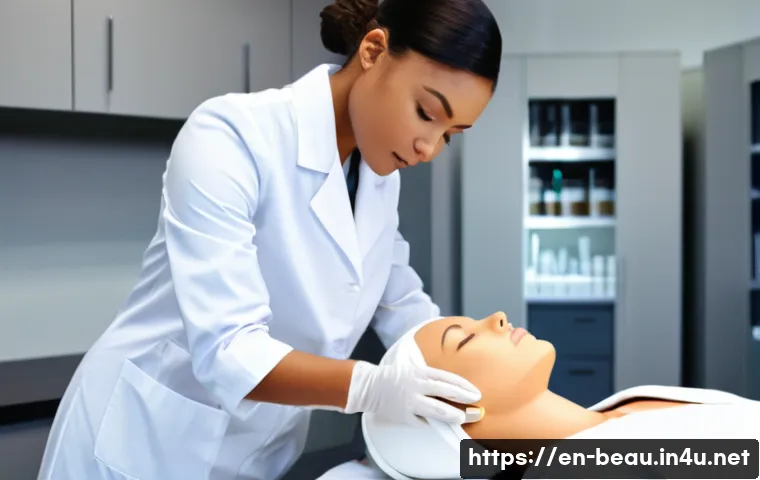
You can read all the books and watch all the videos in the world, but nothing, absolutely nothing, beats hands-on experience. This is where theory truly comes alive, where you translate abstract concepts into tangible skills.
I learned this lesson early on when I realized that understanding facial massage techniques from a diagram was one thing, but actually performing one on a real person was entirely different!
The nuances of pressure, flow, and client comfort are only truly mastered through practice. Your study schedule needs to deliberately incorporate opportunities for practical application.
This phase is about getting your hands dirty, making mistakes, and learning from every single interaction. It’s where your confidence truly builds, transforming you from a knowledgeable student into a competent and capable professional.
Shadowing & Mentorship: Learning from the Pros
One of the most valuable experiences I ever had was shadowing an experienced esthetician for a week. Seeing how she interacted with clients, managed her schedule, and performed various treatments in a real-world setting was an education in itself.
Seek out opportunities to observe seasoned professionals in your chosen niche. Many successful consultants are willing to share their wisdom, either through formal mentorship programs or informal coffee chats.
Don’t be afraid to reach out and ask! A good mentor can offer guidance, introduce you to industry contacts, and provide invaluable feedback that you simply can’t get from a textbook.
Their insights can save you years of trial and error, and their experience offers a perspective that’s simply unmatched.
Practice Makes Perfect: Hands-On Experience and Portfolio Building
This is where you put everything you’ve learned into action. Volunteer your services to friends and family, offer discounted services to build your initial clientele, or participate in student clinics if your program offers them.
Document everything! Take before-and-after photos (with permission, of course) to start building a professional portfolio. A strong portfolio is your visual resume, showcasing your skills and capabilities to potential clients and employers.
I vividly recall practicing makeup looks on anyone who would sit still long enough, endlessly experimenting with different skin types and features. Each practice session, each satisfied (or even not-so-satisfied) client, was a stepping stone in refining my craft and solidifying my confidence.
Staying Ahead of the Curve: Continuous Growth
The beauty industry is like a living, breathing entity – it’s constantly evolving, reinventing itself, and throwing new trends our way. What was cutting-edge last year might be old news today.
If you want to truly thrive as a beauty consultant, continuous learning isn’t just a suggestion; it’s an absolute necessity. I’ve seen too many talented people become stagnant because they stopped investing in their own growth.
This isn’t about chasing every fleeting trend, but about understanding the underlying innovations and shifts in client demand. My study schedule always has a dedicated slot for “trend research” and “industry updates.” It’s about maintaining a growth mindset and being genuinely curious about what’s next.
This commitment to ongoing education is what will differentiate you and ensure your expertise remains relevant and valuable.
Trendspotting & Forecasting: Anticipating What’s Next
Developing an eye for emerging trends is an invaluable skill. This involves more than just glancing at celebrity magazines; it means actively following industry publications, attending virtual or in-person beauty expos, and observing consumer behavior.
Are clients leaning towards more minimalist skincare or elaborate, multi-step routines? Is the demand for clean beauty still surging? Learning to differentiate between fads and legitimate shifts in the market will save you time and money, guiding your product recommendations and service offerings.
I personally enjoy spending a bit of time each week scouring beauty blogs, following key opinion leaders on social media, and analyzing market reports.
It’s almost like being a beauty detective, piecing together clues to predict the next big thing.
Industry Events & Workshops: Networking and New Skills
Attending industry events, whether they are large trade shows like IBS New York or smaller local workshops, is a phenomenal way to stay updated and network.
These events offer opportunities to learn about new products, try out cutting-edge technologies, and attend educational seminars. The connections you make can be just as valuable as the knowledge gained.
I’ve met some incredible mentors and collaborators at these events, people who have profoundly influenced my career trajectory. Factor in the time and budget for these experiences in your annual plan.
Even if it’s a virtual summit, the exposure to new ideas and the chance to interact with other professionals is incredibly beneficial for your professional development and personal brand.
Turning Passion into Profit: Monetizing Your Expertise
Let’s be honest, while passion fuels us, earning a sustainable income is what keeps the dream alive. As a beauty consultant, your knowledge and skills are valuable assets, and learning how to effectively monetize them is crucial for long-term success.
It’s not just about setting an hourly rate; it’s about understanding your value, creating diverse income streams, and building a loyal client base that keeps coming back.
This is where the business side of your study schedule truly shines. I remember the initial struggle of pricing my services and feeling confident about my worth.
But through research and practice, I learned that understanding market rates and communicating my unique value proposition was key. Your study efforts should extend to financial literacy and entrepreneurial strategies to ensure your expertise translates into a thriving business.
Crafting Your Service Menu & Pricing Strategy
Developing a clear, enticing service menu is paramount. What specific services will you offer, and how will you package them? Will you have tiered options, or focus on signature treatments?
Then comes the crucial part: pricing. This isn’t just about covering your costs; it’s about valuing your time, expertise, and the results you deliver.
Research what similar services are priced at in your local market, consider your overheads, and factor in your desired income. My study included learning about competitive analysis and value-based pricing, which helped me confidently set rates that reflected my skill and the quality of my work.
Don’t undersell yourself; your expertise is worth it.
Passive Income Streams: Affiliate Marketing & Digital Products
Beyond one-on-one consultations, there are fantastic ways to leverage your beauty knowledge for passive income. This is a game-changer for financial stability and scaling your business.
Think about affiliate marketing – recommending products you genuinely love and earning a commission on sales through your unique link. You could also create digital products, like e-guides on skincare routines, makeup tutorials, or even online courses.
My own journey involved creating a “Beginner’s Guide to Clean Beauty” e-book, which continues to generate income even while I’m working with clients. Research platforms for selling digital products or joining affiliate programs.
It’s an amazing way to share your knowledge with a wider audience and create multiple revenue streams from your expertise.
| Study Area Focus | Recommended Weekly Hours | Example Activities/Resources |
|---|---|---|
| Core Beauty Skills (e.g., Esthetics, Makeup Artistry) | 5-8 hours | Textbook chapters, online course modules, practical exercises, flashcards for anatomy/ingredients. |
| Client Consultation & Communication | 2-3 hours | Role-playing scenarios, reading articles on customer psychology, practicing active listening. |
| Digital Marketing & Social Media | 3-4 hours | Watching tutorials on content creation, studying platform algorithms, practicing post scheduling. |
| Business Acumen & Financial Literacy | 2-3 hours | Reading business books, online courses on pricing, reviewing market trends, budget planning. |
| Industry Trends & Professional Development | 1-2 hours | Reading industry journals, following expert blogs, attending webinars/virtual summits. |
Concluding Thoughts
Whew! What a journey we’ve taken together, diving deep into what it truly takes to build a thriving career in the beauty industry. From pinpointing your niche to mastering client consultations and even crafting passive income streams, it’s clear that success isn’t just about talent – it’s about strategic planning, relentless learning, and a genuine passion for making people feel incredible. I truly hope this guide has given you a clearer roadmap, sparked new ideas, and encouraged you to approach your beauty education not as a chore, but as an exhilarating adventure. Remember, every step you take, every skill you hone, and every client you delight is building the empire of your dreams. Keep learning, keep growing, and most importantly, keep shining that unique light that only you possess.
Useful Information to Know
1. Always prioritize your state or country’s licensing and accreditation requirements. These are your foundational credentials and legally necessary for practicing most beauty services. Skipping this step is a recipe for professional disaster, and frankly, it just isn’t worth the risk. It’s the bedrock of your legitimacy and your clients’ trust in your abilities.
2. Networking is just as crucial as technical skills. Attend local beauty events, join online professional groups, and connect with other consultants. The insights, support, and potential collaborations you gain can be invaluable for both your learning and your business growth. Don’t be shy; everyone started somewhere, and a friendly face is always appreciated.
3. Invest in quality tools and products from the outset. While it might seem like a bigger upfront cost, using professional-grade items not only enhances your service quality but also elevates your credibility and can significantly improve client results, leading to happier customers and more referrals.
4. Develop a strong online portfolio, even if you’re just starting. High-quality before-and-after photos, testimonials, and a well-curated social media presence are powerful marketing tools in today’s digital age. It’s your visual resume, showcasing your artistry and professionalism to the world.
5. Set clear boundaries for your work-life balance from day one. The beauty industry can be demanding, and it’s easy to burn out if you don’t schedule breaks, personal time, and stick to your business hours. Remember, you can’t pour from an empty cup, so self-care is a non-negotiable part of your success strategy.
Key Takeaways
Ultimately, forging a successful path as a beauty consultant boils down to a few core principles that I’ve seen play out time and again. Firstly, never stop learning; the industry is dynamic, and staying current with trends and techniques is paramount. Secondly, cultivate exceptional client communication skills, as building trust and understanding individual needs is the cornerstone of lasting client relationships. Thirdly, embrace the business side of beauty, from smart pricing to effective marketing, because your passion deserves to be profitable. Finally, remember the power of practical application – hands-on experience and mentorship will always be your most profound teachers, turning theoretical knowledge into undeniable expertise. Keep these tenets close, and you’re well on your way to a truly fulfilling and successful career.
Frequently Asked Questions (FAQ) 📖
Q: With so much constantly changing in the beauty world, where do I even begin to build a study schedule without feeling completely overwhelmed?
A: Oh, I totally hear you! It’s like standing in front of a massive buffet of delicious knowledge, and you just want to taste everything but don’t know where to start.
My best advice, and something I learned the hard way, is to start small and specific. Don’t try to master “everything beauty” in one go. Instead, identify your current strengths and, more importantly, your gaps.
Are you a skincare guru but feel a bit wobbly on the latest makeup artistry techniques? Or perhaps you nail client consultations but struggle with the business side of things?
Pick one, maybe two, areas to focus on for a month. Break down those big topics into bite-sized pieces. For example, instead of “study skincare,” try “learn about ceramides this week” or “explore the top five sustainable beauty brands.” This makes it feel manageable, and honestly, the sense of accomplishment from checking off those smaller goals is a huge motivator.
I used to get so stressed trying to devour entire textbooks, but when I shifted to this focused approach, my learning soared, and my stress plummeted!
Remember, it’s a marathon, not a sprint.
Q: Beyond just product knowledge, what are the most crucial topics I should prioritize in my study plan to truly stand out as a beauty consultant today?
A: This is an excellent question, and it’s where the real magic happens if you want to be more than just good – you want to be unforgettable! While product knowledge is foundational, to truly shine and become an invaluable consultant, you absolutely must branch out.
First off, dive deep into client psychology and communication. Understanding human behavior, active listening, and how to build genuine rapport is priceless.
I’ve seen consultants with encyclopedic product knowledge fall flat because they couldn’t truly connect with their clients. Secondly, business acumen is non-negotiable.
Learn about marketing yourself, managing finances (even if it’s just your personal budget to understand the bigger picture), and understanding profit margins.
Thirdly, with the world shifting, sustainability, ethical sourcing, and clean beauty are no longer niche; they’re mainstream. Clients genuinely care about where their products come from and what’s in them.
Finally, keep an eye on emerging technologies like AI in personalized beauty or advanced diagnostic tools. Being able to speak intelligently about these trends, even if you’re not using them directly yet, positions you as forward-thinking and an expert ahead of the curve.
These aren’t just “nice-to-haves”; they’re essential pillars for a thriving, future-proof career.
Q: It’s hard to stick to a study schedule when life gets busy. How can I stay motivated and avoid burnout, especially if I’m juggling a job or other commitments?
A: Oh, trust me, I’ve been there! Life always finds a way to throw a wrench in your perfectly laid plans. The key isn’t rigidity; it’s flexibility and self-compassion.
First, be realistic. Don’t plan for two hours of study every day if you know you only have 30 minutes. Little and often is far more effective than aiming for perfection and failing.
Schedule your study time like you would a doctor’s appointment – put it in your calendar and try your best to honor it. Second, make it fun! Are you a podcast person?
Listen to industry podcasts during your commute. Love reading? Find engaging beauty blogs or trade magazines.
Mix up your learning methods to keep things fresh. Third, incorporate rewards. After a week of sticking to your schedule, treat yourself to that fancy coffee or a new nail polish.
Small incentives make a huge difference. And please, please, factor in downtime. Burnout is real, and it’ll derail your progress faster than anything else.
If you miss a session, don’t beat yourself up. Just acknowledge it, adjust, and get back on track the next day. This journey is about growth, not perfection, and taking care of yourself is just as important as mastering a new beauty technique!