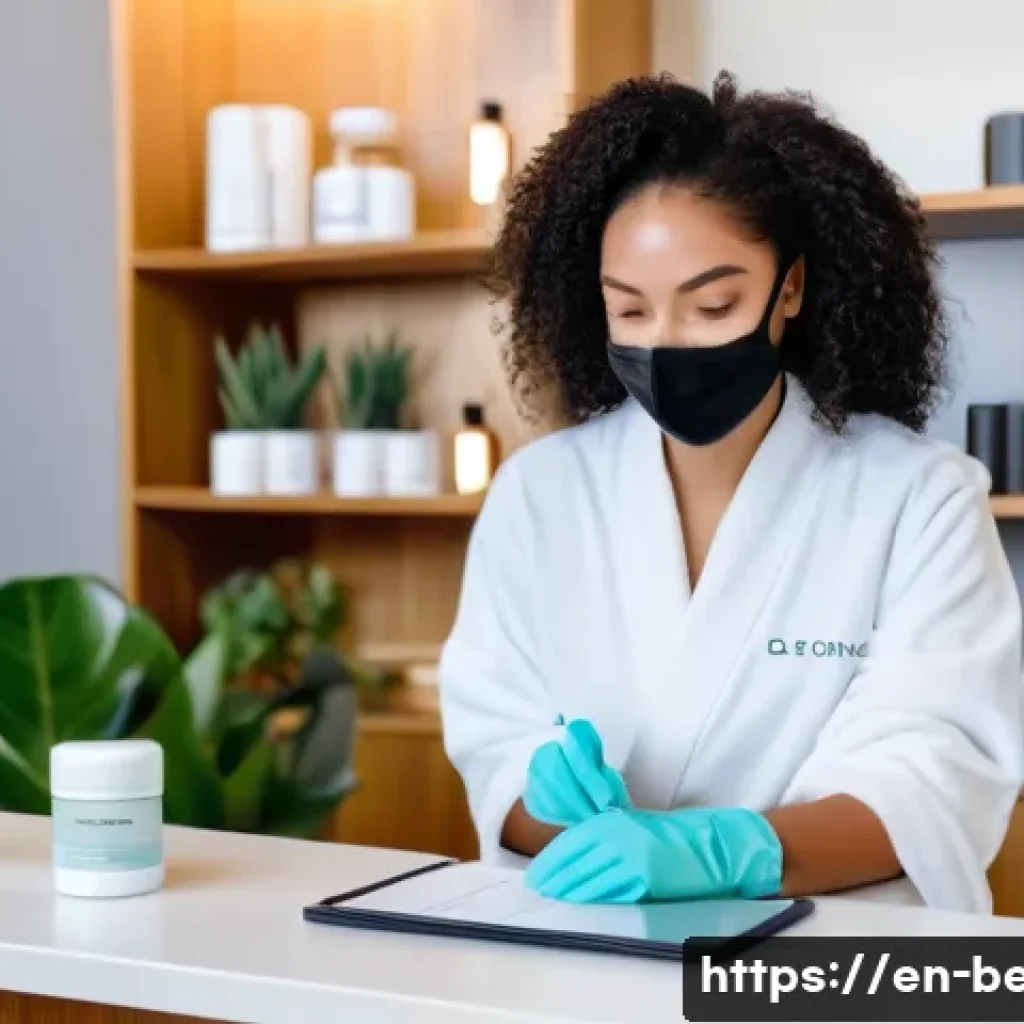
Preparing for the beauty consultant exam can feel like stepping into a whirlwind of products, techniques, and client scenarios. Many wonder just how challenging the test really is and whether their day-to-day experience is enough to pass with flying colors.
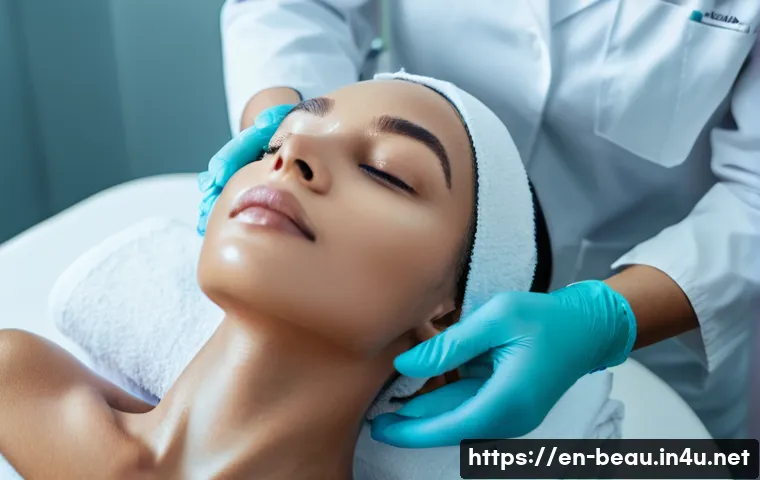
From understanding skincare science to mastering customer communication, the exam covers a broad range of skills that reflect real industry demands. What surprises most candidates is how much practical knowledge and quick thinking the test requires.
If you’re aiming to boost your confidence and ace the exam, knowing what to expect is key. Let’s dive deeper and uncover the true difficulty level together!
Understanding the Core Knowledge Areas Tested
Skincare Science Fundamentals
Mastering skincare basics is more than just memorizing ingredients; it’s about truly understanding how different components interact with the skin. During my prep, I realized that the exam digs into the science behind product formulations and skin types.
For example, knowing why hyaluronic acid hydrates or how retinol promotes cell turnover can make a huge difference. It’s not just textbook knowledge—applying this to real client scenarios is crucial.
I found myself frequently reviewing skin anatomy and common conditions to ensure I could confidently recommend tailored treatments.
Product Knowledge and Application Techniques
The exam demands a solid grasp of various product categories—cleansers, toners, serums, moisturizers, and sunscreens—and their appropriate usage. From experience, it’s easy to get overwhelmed by the sheer variety on the market.
What helped me was creating flashcards that broke down product benefits and usage instructions. Also, practical skill tests require you to demonstrate application techniques accurately, such as facial massage or layering products in the right order.
These hands-on skills can’t be ignored; practicing them repeatedly really builds that muscle memory.
Client Consultation and Communication Skills
A surprising part of the test is how much emphasis is placed on communication. It’s not just about what you know but how you convey it. I remember one mock test where I had to explain a skincare routine to a “client” with sensitive skin.
The challenge is to be clear, empathetic, and professional while tailoring advice to individual needs. Role-playing with friends or colleagues helped me refine this skill.
Good communication boosts client trust, which is a major focus of the exam.
Time Management Strategies for Exam Success
Breaking Down the Exam Structure
One thing I quickly noticed is that the exam isn’t just about what you know but also how efficiently you can apply it under time constraints. The test typically includes multiple-choice questions, practical demonstrations, and scenario-based discussions.
Understanding how much time to allocate to each section is essential. I made a study timetable that mimicked the exam’s pacing, which helped me avoid spending too long on any one part.
This approach reduced my anxiety and improved my overall performance.
Prioritizing High-Impact Study Areas
Not all topics carry the same weight, and focusing on high-yield subjects can be a game-changer. For instance, skincare ingredients and client consultation scenarios often appear frequently, so I dedicated extra hours to mastering these.
I also identified weaker areas early on, such as makeup techniques, and allocated time to strengthen them without compromising my stronger subjects. This balanced approach kept my study sessions productive and focused.
Using Practice Tests Effectively
Taking timed practice tests was the best way to simulate exam conditions. I noticed that after a few rounds, my speed and accuracy improved significantly.
Plus, reviewing wrong answers helped me uncover knowledge gaps I hadn’t anticipated. It’s also a great confidence booster to see progress over time. If you can, find or create practice questions that reflect the latest exam format to get the most realistic preparation.
Practical Skills That Can’t Be Overlooked
Hands-On Demonstrations
The practical portion of the exam is often the most intimidating, especially if you’re used to theory-based tests. Demonstrating facials, product application, or makeup requires a steady hand and confidence.
When I practiced, I noticed that breaking down each step and practicing in front of a mirror or with a friend helped me identify awkward movements or missing steps.
Recording yourself can also be insightful—it’s amazing how many small details you catch that you wouldn’t notice otherwise.
Client Scenario Role Plays
These role plays test your ability to think on your feet and adapt your knowledge to dynamic situations. During my prep, I simulated different client types—someone with acne, aging concerns, or even makeup allergies.
This not only sharpened my problem-solving skills but also made me more comfortable handling unexpected questions. The key is to stay calm and rely on your foundational knowledge while showing empathy and professionalism.
Equipment and Hygiene Protocols
Knowing how to properly use and sanitize tools is fundamental but often underestimated. The exam tests your awareness of hygiene standards to ensure client safety, which is non-negotiable in real practice.
I made sure to memorize the steps for disinfecting brushes, using disposable applicators, and maintaining a clean workspace. These routines became second nature after consistent practice and helped me avoid unnecessary mistakes during the exam.
Decoding the Written Exam Challenges
Multiple-Choice Question Tactics
Multiple-choice questions can be tricky because they often include closely related options. From my experience, reading each question carefully and eliminating obviously wrong answers first is a reliable strategy.
Sometimes, the wording is subtle, so paying attention to keywords like “always,” “never,” or “best” can guide you toward the right choice. If unsure, it’s better to make an educated guess rather than leave it blank since there’s usually no penalty for wrong answers.
Scenario-Based Questions
These questions require applying knowledge in practical contexts. When I tackled these, I imagined myself in the consultant’s shoes, weighing the pros and cons of each option.
It’s a test of critical thinking and industry insight, so brushing up on real-world case studies and client stories was invaluable. The more scenarios you review, the easier it becomes to anticipate what the examiners might be looking for.
Common Pitfalls and How to Avoid Them
One frequent mistake candidates make is rushing through the written section without double-checking answers. I learned that even a few extra seconds to review can catch simple errors or misread questions.
Another pitfall is overthinking—sometimes your first instinct is correct. Practicing under timed conditions helped me develop a balance between speed and accuracy, which I highly recommend.
Balancing Experience with Exam Expectations
When Real-World Experience Meets Exam Criteria
Many candidates wonder if their daily work experience is enough to pass. From what I gathered, hands-on experience is a huge asset but not a guarantee.
The exam tests specific knowledge and skills that might not come up routinely in your job. For example, you might regularly recommend products but not always explain the science behind them in detail.
Bridging this gap requires targeted study and sometimes stepping outside your comfort zone to learn new concepts.
Leveraging Your Strengths
If you’ve been working in the beauty industry for a while, you probably have strengths like client communication or product familiarity. Use these to your advantage.
For me, my ability to connect with clients helped in scenario-based questions and role plays. Identifying what you excel at can help boost confidence and give you a solid foundation while you work on weaker areas.
Addressing Knowledge Gaps Systematically
It’s normal to have blind spots, especially in technical areas like ingredient chemistry or safety regulations. Early self-assessment through quizzes or mock exams can pinpoint these gaps.
I recommend dedicating time weekly to tackle one weak area at a time. This prevents burnout and ensures steady progress. Over time, the accumulated knowledge becomes the safety net that supports your practical skills.
Key Areas Where Candidates Often Struggle
Ingredient Identification and Benefits
Many candidates find ingredient lists overwhelming. I used to mix up similar-sounding acids or confuse their functions until I created a personalized ingredient chart that simplified each one’s purpose and benefits.
For example, knowing when to recommend niacinamide versus vitamin C can be a game-changer in both the exam and real consultations.
Time-Pressured Practical Tasks
Performing treatments or makeup applications within a limited timeframe can be nerve-wracking. Practicing with a timer helped me simulate the pressure and improve my efficiency.
Breaking down each procedure into clear, manageable steps made it less daunting. Also, keeping calm and focused under time constraints was something I consciously worked on through meditation and breathing exercises.
Effective Client Communication Under Pressure
It’s one thing to know what to say, but delivering it clearly when nerves hit is another story. I found that practicing out loud, even when alone, helped solidify my explanations.
Visualizing successful client interactions gave me the confidence to handle tricky questions or objections calmly. Remember, the examiners are looking for professionalism and empathy, not perfection.
Summary Table of Exam Components and Preparation Tips
| Exam Component | Description | Preparation Tips |
|---|---|---|
| Skincare Science | Understanding skin types, conditions, and ingredient functions | Review anatomy, memorize key ingredients, apply knowledge to scenarios |
| Product Application | Hands-on skills in product layering and facial techniques | Practice with real products, record yourself, focus on technique accuracy |
| Client Communication | Consultation skills, explaining routines clearly and empathetically | Role-play scenarios, practice clear explanations, build empathy |
| Written Questions | Multiple-choice and scenario-based questions testing knowledge application | Use elimination strategies, timed practice tests, review mistakes |
| Hygiene Protocols | Proper sanitization and equipment handling standards | Memorize protocols, practice routines, stay updated on safety guidelines |
| Time Management | Efficiently allocating time to different exam sections | Simulate exam timing, prioritize study areas, avoid rushing during test |
Conclusion
Preparing for this exam requires a balanced mix of knowledge, practical skills, and effective communication. From my experience, staying organized and practicing regularly made a huge difference in confidence and performance. Remember, understanding the why behind each concept helps you apply what you learn in real situations. With dedication and smart study strategies, success is well within reach.
Useful Tips to Keep in Mind
1. Break down complex topics into manageable chunks to avoid feeling overwhelmed.
2. Use real-life examples and role-playing to sharpen your client communication skills.
3. Practice hands-on techniques consistently to build muscle memory and reduce exam-day nerves.
4. Take timed practice tests to improve both speed and accuracy under pressure.
5. Keep hygiene protocols top of mind—they’re crucial for client safety and exam success.
Key Takeaways for Exam Success
Focus on mastering core skincare science and product knowledge, as these form the foundation for other exam components. Prioritize practical skills through regular practice and real-world application to boost confidence. Effective communication is just as important—clear, empathetic explanations can set you apart. Manage your study time wisely, emphasizing areas where you need improvement without neglecting your strengths. Lastly, never underestimate the importance of hygiene and safety protocols; they reflect your professionalism and commitment to client care.
Frequently Asked Questions (FAQ) 📖
Q: How difficult is the beauty consultant exam compared to on-the-job experience?
A: From what I’ve seen and experienced, the exam tends to be more challenging than daily work because it tests not only your practical skills but also your theoretical knowledge.
While day-to-day experience sharpens your ability to handle clients and products, the exam pushes you to understand the science behind skincare ingredients, product formulations, and problem-solving under pressure.
So, if you rely solely on experience without brushing up on the underlying concepts, you might find certain sections surprisingly tough.
Q: What areas should I focus on to increase my chances of passing the beauty consultant exam?
A: The best approach is to balance both theory and practice. Focus on skincare science — like understanding different skin types, common conditions, and how various ingredients work.
Equally important is mastering customer communication skills, as the exam often includes scenarios requiring quick, empathetic responses. In my experience, practicing mock client consultations helped me build confidence and think on my feet, which proved invaluable during the test.
Q: Can practical knowledge alone guarantee success on the beauty consultant exam?
A: Practical knowledge definitely gives you a solid foundation, but it’s not enough on its own. The exam is designed to evaluate your overall competence, including product knowledge, safety protocols, and client interaction strategies.
For instance, I noticed questions that required applying safety standards or explaining product benefits in detail—things you might not encounter daily but are crucial for passing.
Combining hands-on experience with targeted study and scenario practice is the key to truly acing the exam.