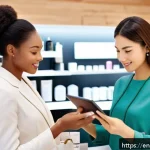
Becoming a skilled beauty consultant requires more than just passion—it demands a well-structured learning process filled with practical knowledge and up-to-date industry trends.
Whether you’re starting fresh or aiming to sharpen your expertise, having the right study materials can make all the difference. From mastering product knowledge to understanding client needs and current beauty innovations, thorough preparation is key to standing out in this competitive field.
I’ve found that combining hands-on practice with reliable resources truly boosts confidence and results. Let’s dive deeper and explore how to effectively prepare for a career as a beauty consultant!
Understanding Core Product Knowledge
Breaking Down Ingredients and Formulations
Getting familiar with the ingredients inside skincare and makeup products is a game-changer. When I first started, I realized that just knowing product names wasn’t enough.
I dug into what makes each product effective—like hyaluronic acid for hydration or retinol for anti-aging. This knowledge helps when clients ask questions or express concerns, allowing me to recommend items tailored to their skin type or goals.
Plus, understanding formulations means you can spot trends like clean beauty or cruelty-free products and explain their benefits confidently.
Hands-On Testing and Sampling
You can read all the labels, but nothing beats testing products yourself. I made it a habit to try new launches on my own skin, noting texture, scent, and how quickly they absorbed.
This personal experience lets you describe products authentically. When I shared my honest opinions during consultations, clients trusted me more because I wasn’t just reciting facts—I was speaking from experience.
Sampling also helps in mastering application techniques, which can be a huge plus during client demos or training sessions.
Keeping Updated with Brand Portfolios
Every beauty brand has its unique story, target audience, and hero products. I found that having a quick reference guide for the brands I represent saved me a ton of time during busy days.
This includes knowing bestsellers, new releases, and discontinued items. Sometimes clients come in with specific brand loyalty, so being able to speak their language makes a big difference.
Constantly refreshing this info through newsletters, webinars, or brand events keeps you sharp and ready for any client query.
Developing Client Communication Skills
Active Listening to Identify Needs
One of the most underrated skills I’ve honed is active listening. Clients don’t always clearly state what they want or what their skin struggles are. By asking open-ended questions and really paying attention, I can uncover hidden concerns—like sensitivity they haven’t mentioned or preferences they didn’t think were important.
This skill comes with practice and patience but makes consultations far more effective and personalized.
Tailoring Recommendations with Empathy
It’s easy to push products, but true connection happens when you show empathy. When a client shares frustrations about breakouts or aging signs, acknowledging their feelings before suggesting solutions builds trust.
I try to put myself in their shoes—how would I want to be treated or advised? This approach turns a one-time buyer into a loyal customer who feels understood and valued.
Handling Objections and Building Confidence
Not every client will immediately agree with your recommendations, and that’s okay. I’ve learned to welcome objections as opportunities to educate rather than obstacles.
Whether it’s budget concerns or skepticism about product claims, calmly addressing doubts with facts, demos, or testimonials often helps. This back-and-forth builds your confidence too because you get comfortable navigating tricky conversations.
Mastering Industry Trends and Innovations
Following Beauty Influencers and Experts
I keep a close eye on top beauty influencers and industry insiders to stay in the loop. Platforms like Instagram and TikTok are treasure troves for new product launches, makeup techniques, and skincare hacks.
Watching how influencers break down products or show real-time results provides fresh perspectives that I can share with clients. It also helps me understand what’s popular and why, so I don’t just sell products but connect them to current trends.
Attending Workshops and Webinars
Online workshops and webinars have been invaluable for me. They offer direct access to brand educators and skincare scientists who explain the science behind products and new technologies.
Participating actively—asking questions and taking notes—helps me internalize complex info that I can then simplify for clients. Plus, many sessions provide certification, boosting credibility and professional confidence.
Analyzing Market Reports and Consumer Behavior
Diving into market research reports might sound boring, but it reveals where the beauty industry is heading. For example, the rise of sustainable packaging or personalized skincare solutions isn’t just hype—it’s backed by consumer demand.
I use these insights to anticipate questions and prepare answers, positioning myself as a forward-thinking consultant who’s ready for what’s next.
Building Practical Skills through Real-Life Practice
Role-Playing Client Scenarios
Before I felt truly confident, I spent hours role-playing different client interactions with colleagues. This practice helped me refine my tone, pacing, and responses to common questions or objections.
It also exposed me to unexpected scenarios, like handling a client who’s overwhelmed by too many options. Role-playing is a safe space to make mistakes and learn without pressure, which I highly recommend.
Shadowing Experienced Consultants
Observing seasoned beauty consultants at work was eye-opening. I noticed subtle techniques they used—like reading body language or suggesting add-on products tactfully—that I hadn’t considered.
Shadowing gave me real-world context for what I’d learned from books and videos. It also motivated me to adopt best practices and avoid pitfalls, accelerating my growth.
Creating Personalized Study Plans
With so much to learn, I found it helpful to create a study schedule focusing on different topics each week—ingredients, brands, communication skills, and trends.
Breaking down the material made it less overwhelming and ensured steady progress. I also set measurable goals, like mastering 10 new products a week or conducting mock consultations, which kept me accountable and motivated.
Organizing Learning Materials Efficiently
Using Digital Tools for Easy Access
I switched from piles of printed notes to digital tools like Evernote and Google Drive. These platforms allow me to organize information into folders by topic, tag key points, and search instantly.
For example, if a client asks about anti-aging serums, I can quickly pull up my notes and product comparisons. This efficiency saves time and reduces stress during busy shifts.
Creating Visual Aids and Cheat Sheets
Visual learners like me benefit from charts, infographics, and cheat sheets summarizing product benefits or application steps. I often create quick-reference cards that fit in my bag for on-the-spot consultation help.
These aids not only improve my memory retention but also serve as professional tools to show clients, enhancing their experience.
Regularly Updating and Reviewing Content
The beauty industry evolves rapidly, so I schedule monthly reviews of my materials to add new findings and discard outdated info. This habit ensures my knowledge stays fresh and relevant.
Sometimes, I combine this with quick quizzes or discussions with peers to reinforce learning and share insights. It’s a dynamic process that keeps me engaged and confident.
Essential Knowledge Areas for Beauty Consultants
Skin Types and Conditions
Understanding different skin types and common conditions is foundational. I learned to distinguish oily, dry, combination, sensitive, and normal skin, plus issues like acne, rosacea, or eczema.
This knowledge helps in recommending suitable products and avoiding those that could irritate. Clients appreciate when you recognize their unique skin challenges and offer tailored solutions rather than generic advice.
Makeup Techniques and Tools
Beyond product knowledge, mastering makeup application techniques is crucial. I practiced contouring, blending, and color matching extensively, sometimes using tutorials from makeup artists I admired.
Knowing which brushes or tools work best for certain looks also adds value to consultations. Clients often seek guidance on how to recreate professional looks at home, so being skilled in this area builds trust and satisfaction.
Sanitation and Safety Practices
Especially in today’s health-conscious world, strict sanitation and safety protocols are non-negotiable. I took courses on hygiene standards, proper product storage, and cross-contamination prevention.
Clients notice when you maintain a clean and safe environment, which reassures them and enhances your professionalism. This area also includes understanding allergen risks and patch testing procedures.
| Knowledge Area | Key Focus | Recommended Study Method | Practical Tip |
|---|---|---|---|
| Ingredients & Formulations | Active components and benefits | Read scientific articles, brand brochures | Test products personally for firsthand experience |
| Client Communication | Active listening, empathy, objection handling | Role-playing, feedback from peers | Ask open-ended questions to uncover hidden needs |
| Industry Trends | Market shifts, influencer insights | Follow social media, attend webinars | Stay updated monthly to anticipate client questions |
| Practical Skills | Application techniques, consultation flow | Shadow professionals, practice on friends | Record mock sessions for self-review |
| Organizing Materials | Note management, quick references | Use digital tools, create cheat sheets | Review and update study materials regularly |
| Skin & Makeup Knowledge | Types, conditions, tools, hygiene | Take specialized courses, watch tutorials | Keep hygiene kits ready for demos |
글을 마치며
Mastering core product knowledge and client communication skills forms the backbone of a successful beauty consultant career. Through hands-on experience, continuous learning, and empathy, you can build genuine connections and provide personalized recommendations that truly resonate with clients. Staying updated with industry trends and organizing your knowledge efficiently ensures you remain confident and professional. Embrace every opportunity to practice and grow, as these efforts directly translate into client trust and business success.
알아두면 쓸모 있는 정보
1. Understanding ingredients like hyaluronic acid and retinol helps tailor skincare advice to individual needs, boosting client satisfaction.
2. Testing products personally reveals textures and effects that can’t be captured by labels alone, making recommendations more authentic.
3. Active listening uncovers unspoken client concerns, allowing for more customized and effective consultations.
4. Keeping up with beauty influencers and industry reports enables you to anticipate trends and client questions before they arise.
5. Organizing study materials digitally with cheat sheets and regular reviews saves time and sharpens your professional edge.
핵심 포인트 정리
Developing expertise in product ingredients and formulations is essential for credible recommendations. Equally important is honing empathetic communication skills to understand and address client needs effectively. Staying informed about market trends and practicing real-life scenarios enhances your adaptability and confidence. Efficient organization of learning resources ensures quick access to information during consultations. Lastly, prioritizing sanitation and safety builds client trust and reflects professional standards in the beauty industry.
Frequently Asked Questions (FAQ) 📖
Q: What are the essential skills I need to develop to become a successful beauty consultant?
A: Beyond a genuine passion for beauty, the key skills include deep product knowledge, excellent communication, and the ability to understand diverse client needs.
You should be comfortable recommending products based on skin types, preferences, and current trends. Also, honing sales techniques and staying updated with the latest beauty innovations will give you an edge.
From my experience, practicing client consultations and role-playing different scenarios helps build confidence and sharpens your interpersonal skills.
Q: How can I effectively stay updated with the latest trends and products in the beauty industry?
A: The beauty industry evolves rapidly, so following reputable beauty blogs, subscribing to industry newsletters, and attending webinars or trade shows are great ways to stay current.
Personally, I make it a habit to test new products whenever possible because hands-on experience offers insights you can’t get from just reading. Social media platforms like Instagram and TikTok are also treasure troves for discovering emerging trends and influencer reviews, which can inform your recommendations to clients.
Q: What study materials or resources would you recommend for someone starting out as a beauty consultant?
A: Starting with comprehensive beauty textbooks and accredited online courses can build a solid foundation. I found that combining these with practical tools—like product samples and client interaction simulations—makes the learning process more effective.
Additionally, many beauty brands offer training modules that focus on their product lines, which is invaluable for mastering product knowledge. Don’t underestimate the power of networking with experienced consultants; their real-world insights can accelerate your learning curve.