Mastering customer consultations is essential for any beauty consultant aiming to build trust and deliver personalized recommendations. Effective communication not only enhances the client experience but also boosts sales and loyalty.
Through practice, consultants can refine their listening skills, understand client needs more deeply, and respond with confidence. Whether you’re new to the field or looking to sharpen your approach, developing consultation techniques can make all the difference.
Let’s dive into the key strategies that can elevate your client interactions and set you apart in the beauty industry. I’ll guide you through the details step by step!
Building Genuine Rapport with Clients
Understanding the Power of First Impressions
Establishing a positive connection from the very first moment can set the tone for the entire consultation. When clients walk into your space, their mood and expectations are shaped by your demeanor, tone, and attentiveness.
I’ve noticed that a warm smile paired with genuine eye contact instantly breaks down barriers. It’s not just about looking friendly; it’s about making the client feel truly seen and valued.
This often leads to more open communication, where clients feel comfortable sharing their true needs and concerns. Remember, the initial greeting is your chance to create trust and invite a relaxed atmosphere that encourages honesty.
Engaging Through Active Listening
Listening is more than just hearing words; it’s about fully absorbing the client’s story and emotions behind their requests. I used to rush through consultations until I realized how transformative active listening can be.
By nodding, summarizing what they say, and asking clarifying questions, clients feel respected and understood. This helps uncover deeper motivations behind their beauty goals—whether it’s about boosting confidence, addressing skin concerns, or simply wanting a fresh look.
When you reflect back their feelings and desires, it reassures them you’re not just selling products but providing tailored solutions.
Personalizing Conversations for Each Client
No two clients are the same, and your approach should reflect that. Tailoring your language, tone, and product suggestions based on their personality and preferences makes a huge difference.
For instance, some clients appreciate detailed scientific explanations about ingredients, while others prefer quick, straightforward tips. By tuning into these cues, you demonstrate respect for their unique style and needs.
Over time, I’ve learned that this personalization builds loyalty because clients feel you truly care about their individual journey, not just making a sale.
Mastering Questioning Techniques to Uncover True Needs
Open-Ended Questions to Spark Dialogue
Starting with open-ended questions invites clients to share their experiences and expectations freely. Instead of asking “Do you want a moisturizer?”, try “What are your current skincare concerns?” or “How do you usually care for your skin?” This encourages clients to open up, revealing not just surface-level needs but deeper motivations or frustrations.
I find that these questions lead to richer conversations and better product matches. They also make clients feel like partners in the consultation, which enhances trust.
Probing Gently Without Pressure
Once a client shares some information, gently probing deeper helps you uncover details that might not be obvious. For example, if a client mentions dryness, you might ask, “When do you notice your skin feels driest?” or “Have you tried anything before that didn’t work well?” This shows empathy and curiosity without making them feel interrogated.
I’ve noticed that clients appreciate this thoughtful approach, as it signals your commitment to finding the best solution rather than pushing products.
Balancing Between Guided and Explorative Questions
Effective consultations blend guiding the conversation and letting the client explore their thoughts. Sometimes, clients need direction to articulate their goals, while other times, they benefit from space to reflect.
Learning when to gently steer the talk and when to pause for silence is a skill I’ve honed through experience. It allows clients to feel in control while still benefiting from your expertise.
This balance often leads to surprising insights that help you deliver more meaningful recommendations.
Reading Nonverbal Cues to Enhance Understanding
Recognizing Facial Expressions and Body Language
Nonverbal communication often reveals more than words. A client’s facial expressions, posture, or even small gestures can indicate their true feelings about a suggestion or product.
I’ve caught clients nodding hesitantly or fidgeting when unsure, which prompted me to adjust my approach immediately. Being observant helps you address unspoken concerns before they become obstacles.
It also shows clients you’re attentive to their comfort, which strengthens your connection.
Matching Energy Levels and Tone
Mirroring a client’s energy and tone can create subconscious rapport and ease tension. If a client is calm and soft-spoken, lowering your volume and slowing your pace can make them feel more at ease.
Conversely, if someone is enthusiastic and upbeat, matching that vibe keeps the interaction dynamic and engaging. I’ve found that this subtle synchronization fosters a sense of harmony, making consultations feel more natural and enjoyable for both sides.
Using Pauses and Silence Effectively
Silence can be a powerful tool during consultations. Pausing after a question or suggestion gives clients space to think and respond more thoughtfully.
I used to rush through conversations, but learning to embrace silence created moments where clients revealed deeper insights or hesitations. This technique requires patience and confidence, but it often leads to richer, more authentic exchanges.
It also prevents overwhelming clients with too much information at once.
Communicating Recommendations with Confidence and Clarity
Explaining Benefits, Not Just Features
Clients connect better when they understand how a product or service will improve their lives rather than just hearing about its features. Instead of saying, “This serum contains hyaluronic acid,” try explaining, “This serum helps your skin stay hydrated and plump, reducing dryness and fine lines.” I’ve found that framing recommendations around benefits makes clients more excited and motivated to try new products.
It also positions you as a knowledgeable consultant who truly cares about their results.
Using Simple Language and Avoiding Jargon
Beauty industry terms can sometimes confuse clients, especially those new to skincare or makeup. I always make an effort to break down complex concepts into easy-to-understand language without talking down to them.
For example, instead of “exfoliation,” I might say “removing dead skin cells to brighten your face.” This approach builds trust because clients feel included and empowered to make informed choices.
It also reduces overwhelm, which can be a big barrier to purchasing.
Incorporating Client Preferences into Suggestions
When recommending products, weaving in what you’ve learned about the client’s lifestyle, budget, and personal style makes your advice feel customized.

For instance, if a client prefers low-maintenance routines, I highlight multi-functional products that save time. Or if they have sensitive skin, I focus on gentle formulas.
This tailored approach shows respect for their individuality and encourages follow-through. I’ve noticed that when clients see you’ve considered their unique needs, they’re more likely to trust and return.
Handling Objections and Building Client Confidence
Validating Concerns Without Being Defensive
Clients may hesitate or voice doubts during consultations, and it’s crucial to acknowledge these feelings without dismissing them. When someone says, “I’m worried this might irritate my skin,” responding with empathy like, “I completely understand your concern, and we can patch test first to make sure it suits you,” helps ease anxiety.
I’ve learned that validation creates a safe space where clients feel heard and respected, which often turns objections into opportunities for reassurance.
Providing Evidence and Testimonials
Sharing real-life success stories or scientific backing can boost client confidence in your recommendations. I often mention how other clients with similar skin types saw improvements or reference dermatological studies supporting product claims.
This kind of social proof and expert validation reassures clients they’re making informed choices. It’s especially effective when clients feel uncertain or skeptical, helping to tip the scales toward a positive decision.
Offering Flexible Options and Follow-Up
Sometimes clients need room to consider without pressure. Offering alternatives or smaller trial sizes can lower their risk and increase comfort. I also make sure to invite follow-up questions or check-ins after they’ve tried products.
This ongoing support builds trust and shows you’re invested in their long-term satisfaction. Clients appreciate knowing they’re not alone in their beauty journey, which fosters loyalty and repeat visits.
Leveraging Visual Aids and Demonstrations
Using Product Samples and Swatches
Hands-on experiences often speak louder than words. Providing samples or allowing clients to test products on their skin helps them feel more confident about purchases.
I always encourage clients to see texture, scent, and immediate effects firsthand. This tactile interaction turns abstract recommendations into tangible experiences.
It also builds excitement and curiosity, which can lead to spontaneous upsells or add-ons.
Demonstrating Application Techniques
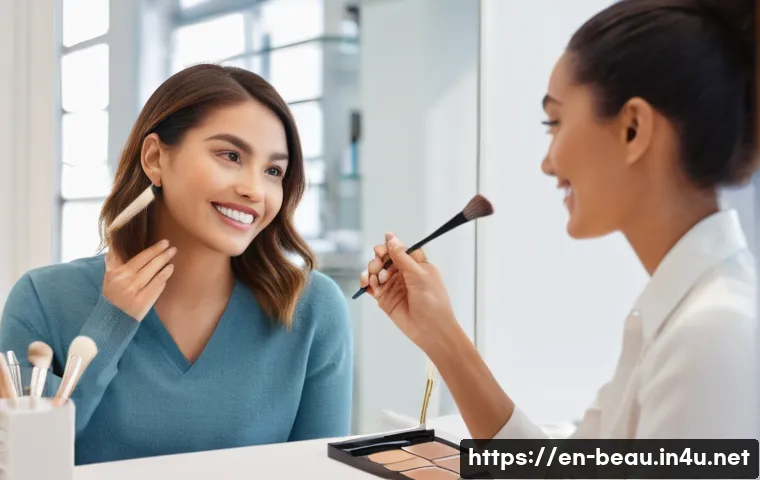
Showing clients how to properly use products can make a huge difference in their satisfaction and results. I’ve found that a quick demo, like applying foundation with a brush or layering skincare steps, empowers clients to replicate the routine at home successfully.
This hands-on guidance reduces confusion and increases trust in your expertise. Plus, it enhances the overall consultation experience, making it memorable and practical.
Utilizing Visual Tools Like Charts or Before-After Photos
Visual aids can clarify complex information and highlight potential transformations. I sometimes use skin analysis charts or curated before-and-after photos to illustrate what clients might expect from certain treatments or products.
These tools help set realistic expectations and inspire confidence in your recommendations. They also serve as conversation starters, allowing clients to engage more deeply with the consultation.
Organizing Client Information for Follow-Up and Personalization
Maintaining Detailed Client Profiles
Keeping thorough records of each client’s preferences, skin concerns, and previous purchases is invaluable. I use digital tools to track this information, which helps me personalize future consultations and remember important details like allergies or favorite products.
This continuity makes clients feel valued and understood over time. It also streamlines your workflow, allowing for quicker and more effective service.
Scheduling Follow-Ups and Check-Ins
Reaching out after a consultation to see how clients are doing with their new products or routines shows genuine care. I’ve noticed that follow-ups often lead to further questions, additional sales, or bookings for treatments.
It also reinforces your role as a trusted advisor rather than just a salesperson. Consistent communication nurtures long-term relationships and turns one-time clients into loyal supporters.
Using Feedback to Improve Your Approach
Encouraging clients to share their experiences and opinions helps you refine your consultation skills. I often ask for honest feedback about product effectiveness and the consultation process itself.
This input is crucial for growth and adapting to changing client needs. It also demonstrates humility and a commitment to excellence, qualities that clients respect and appreciate.
| Consultation Aspect | Key Techniques | Benefits |
|---|---|---|
| Building Rapport | Warm greeting, active listening, personalized tone | Establishes trust, encourages openness, creates relaxed atmosphere |
| Questioning Skills | Open-ended questions, gentle probing, balanced guidance | Uncovers true client needs, deepens conversation, builds partnership |
| Nonverbal Communication | Observing expressions, matching energy, using pauses | Detects unspoken concerns, enhances comfort, fosters harmony |
| Recommendation Delivery | Benefit-focused language, avoiding jargon, client-tailored advice | Improves understanding, boosts confidence, increases loyalty |
| Handling Objections | Validating concerns, providing evidence, flexible options | Reduces hesitation, builds trust, encourages decision-making |
| Visual Aids | Samples, demos, charts/photos | Enhances experience, clarifies info, inspires confidence |
| Client Management | Detailed profiles, follow-ups, feedback collection | Personalizes service, nurtures relationships, improves skills |
Closing Thoughts
Building authentic connections with clients is the foundation of successful consultations. When you combine genuine rapport, thoughtful questioning, and clear communication, clients feel valued and understood. This not only enhances their experience but also fosters long-term loyalty. Remember, every interaction is an opportunity to make a meaningful impact.
Useful Tips to Remember
1. Always greet clients warmly and maintain genuine eye contact to create an inviting atmosphere.
2. Practice active listening by summarizing and asking clarifying questions to fully understand client needs.
3. Customize your language and recommendations based on the client’s personality and preferences for a personalized experience.
4. Use open-ended questions to encourage clients to share deeper insights and feelings about their goals.
5. Incorporate visual aids and demonstrations to make your advice tangible and boost client confidence.
Key Takeaways
Establishing trust through genuine engagement and active listening sets the stage for effective consultations. Asking thoughtful, open-ended questions helps uncover true client needs without pressure. Paying attention to nonverbal cues and matching energy levels deepens understanding and comfort. Communicating benefits clearly and avoiding jargon empowers clients to make confident decisions. Finally, validating concerns and offering flexible options strengthens client confidence and builds lasting relationships.
Frequently Asked Questions (FAQ) 📖
Q: How can I build trust quickly with a new client during a consultation?
A: Building trust starts with genuine attentiveness. When a client first sits down, make eye contact, smile warmly, and listen without interrupting. I’ve found that repeating back what they say in your own words shows you really understand their concerns.
Sharing a little about your own experience or success stories also helps clients feel more comfortable. Remember, trust grows when clients feel heard and valued, so stay patient and empathetic throughout the conversation.
Q: What are the best ways to identify a client’s true beauty needs?
A: The key is asking open-ended questions that encourage clients to share more than just surface-level info. Instead of “Do you want a moisturizer?” try “What challenges do you face with your skin daily?” Also, observe their body language and skin condition closely.
From my experience, many clients don’t immediately know what they need until you guide them through their concerns. Taking notes and confirming their answers helps tailor your recommendations precisely, which clients really appreciate.
Q: How do I handle a situation when a client is unsure about what products or services to choose?
A: When clients feel uncertain, they often need reassurance and education. I like to break down options into simple categories and explain the benefits of each in everyday language, avoiding jargon.
Sharing your personal favorites and why they work can also build confidence. Sometimes, offering a small sample or trial can ease hesitation. Above all, reassure clients that you’re there to support them, and it’s perfectly okay to take time deciding—it’s about what suits them best.