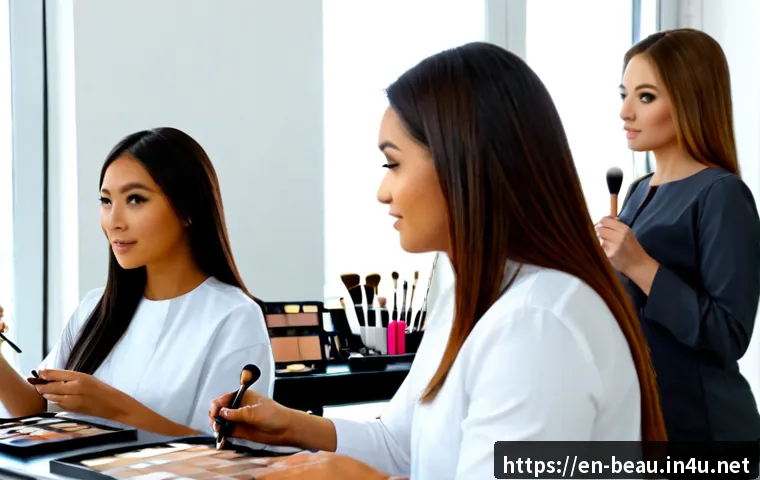
A paid beauty consultation is most worth considering when you need structured product, routine, retail, salon, or brand guidance rather than a single hands-on service.
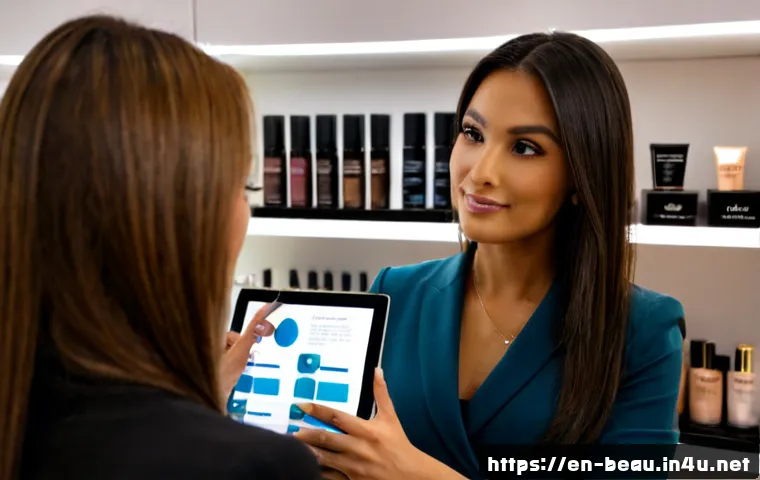
Its value depends on a clear target problem, transparent scope, relevant qualifications, and package inclusions that match your needs. Beauty consultants can work independently, in salons, with cosmetic retailers, or as contractors for beauty brands.
They may help with product recommendations, skincare or makeup guidance, client education, retail support, and brand presentation. Before paying for a consultant service package, compare what is included with alternatives such as a makeup artist, esthetician, salon professional, or clinical skincare provider.
Pricing, availability, experience, specialization, location, and product inclusion can vary substantially.
At a Glance
- Beauty consultants are advice-led professionals: their role may center on recommendations, education, retail support, or brand presentation.
- Positioning matters more than a job title: target clients, service scope, delivery format, and competitive alternatives define market fit.
- Compare qualifications, scope, and inclusions before booking: a package should solve a specific need without making unrealistic claims.
| Professional Type | Typical Service Scope | Common Pricing Structure | Best Hiring Use Case |
|---|---|---|---|
| Beauty Consultant | Guidance, product recommendations, education, retail or brand support | Consultation, package, project, or retainer model | Clients or businesses needing advice-led beauty strategy |
| Makeup Artist | Makeup application, looks, lessons, and event preparation | Per session, event, lesson, or service package | Event-based makeup or hands-on application needs |
| Esthetician | Beauty services and treatments within the professional’s permitted scope | Per treatment, service plan, or salon menu | Clients seeking hands-on skincare-related services |
| Salon or Retail Advisor | In-store or salon guidance, product support, and customer assistance | Often included with the customer interaction or employer-led service | Immediate product selection or service-menu guidance |
| Clinical Skincare Provider | Clinical assessment or care within applicable professional rules | Varies by provider and local setting | Concerns that may require clinical rather than cosmetic guidance |
Where Beauty Consultants Fit in the Modern Beauty Services Market
The Short Answer: Advice-Led Value Versus Hands-On Beauty Services
A beauty consultant is usually positioned around decision support. The consultant may help a client understand product options, build a cosmetic routine, improve makeup choices, educate a team, or refine a beauty brand presentation. This differs from a role focused mainly on performing a treatment or applying makeup at a single appointment.
The distinction matters when comparing beauty consulting services and pricing packages. A consultation can be useful when the client needs a repeatable plan, clearer product choices, or staff education. It may be less suitable when the main need is a treatment, a medical opinion, or event-day makeup application.
Core Roles: Personal Guidance, Retail Support, Salon Consulting, and Brand Representation
For individuals, a consultant may provide skincare or makeup guidance and product recommendations. For salons, the role may include client education, retail support, service presentation, or staff-facing beauty training. For cosmetic retailers and brands, consultants may support product communication and brand presentation.
A strong market position connects the role to a clear problem. “I help everyone choose beauty products” is broad. “I help a salon team explain its retail offering more clearly” is more defined and easier to evaluate as a professional service package.
Boundaries Between Cosmetic Advice and Licensed or Clinical Care
Cosmetic guidance is not automatically clinical care. A consultant should avoid presenting general beauty advice as diagnosis, treatment, or a guaranteed outcome. Whether specific advice requires a regulated professional license depends on location and the service being offered, so local requirements should be checked directly.
If a client has concerns that go beyond cosmetic preferences, a different professional may be more appropriate. Scope should be explained before a consultation begins, especially where skincare recommendations could be confused with clinical advice.
A Case Study Framework for Analyzing Market Position
Define the Consultant’s Target Customer and Primary Problem Solved
Start a case study by identifying who the consultant serves. The target may be individual clients seeking makeup guidance, salons improving retail conversations, retailers supporting customer education, or beauty brands needing outside consulting support.
Then define the primary problem. Is the client overwhelmed by product choices? Does a salon need more consistent brand presentation? Does a retail team need training on how to explain a product category? A consultant with one clear problem to solve is easier to compare against competing services.
Map Service Offerings, Delivery Format, and Revenue Model
List each offer separately: one-to-one consultation, virtual guidance, in-person session, staff training, retail support, brand project work, or an ongoing consulting arrangement. Note whether products are included, recommended separately, or sold through another channel.
Also examine the pricing model. A service may be offered as a single appointment, a consultation package, a project fee, or an ongoing business arrangement. The price alone does not show value. The useful comparison is what the client receives, how the service is delivered, and whether follow-up support is included.
Identify Direct Competitors and Substitute Services
Direct competitors are other beauty consultants with a similar target audience and service scope. Substitute services can include makeup artists, estheticians, salon staff, retail advisors, professional training providers, or clinical skincare providers.
This comparison prevents a common positioning mistake: competing against every beauty professional at once. A consultant should explain why advice-led support is the right option for a particular situation, while being clear when another service category is a better fit.
Comparing Beauty Consultants with Other Beauty Professionals
Consultant vs. Makeup Artist: Strategy, Education, and Event-Based Services
A makeup artist may focus on creating a look, applying makeup, teaching application techniques, or preparing a client for an event. A beauty consultant may focus more broadly on product choices, ongoing guidance, and education. There can be overlap, but the client’s desired outcome should guide the choice.
Choose a makeup artist when hands-on application or a specific look is the priority. Consider a consultant when the goal is understanding options, developing an approach, or improving decision-making beyond one occasion.
Consultant vs. Esthetician: Cosmetic Guidance Versus Treatment Services
An esthetician may provide treatment-related beauty services within the scope allowed in that location. A beauty consultant may provide cosmetic guidance without offering those hands-on services. Clients should not assume that either title means the same training, authority, or service menu.
When comparing service packages, ask whether the need is education and recommendations, a hands-on beauty service, or both. Confirm qualifications and permitted scope rather than relying on a title alone.
Consultant vs. Salon or Retail Advisor: Independence, Product Range, and Accountability
Salon and retail advisors can provide convenient guidance at the point of service or purchase. An independent consultant may offer a broader comparison process, but that depends on the consultant’s actual approach and product relationships. Neither model is automatically better.
The key question is accountability: Does the provider explain why a recommendation fits the stated goal? Are commissions, brand relationships, and product limitations disclosed clearly? Transparency helps clients judge whether advice is aligned with their interests.

Pricing, Package Value, and Hiring Considerations
What to Compare Beyond the Appointment Price
Do not compare beauty consulting prices by appointment length alone. Review the stated goal, the consultant’s relevant experience, the delivery format, preparation time, written guidance, product plan, follow-up availability, and whether products are included.
A lower-priced session may be appropriate for a narrow question. A broader salon consulting or beauty brand outsourcing project may require more planning, communication, and team support. The right choice is the one with a scope that matches the decision being made.
Package Inclusions: Follow-Ups, Product Plans, Training, and Team Support
A useful consultation package should state its inclusions plainly. Examples may include a consultation session, a product recommendation plan, makeup or skincare guidance, staff education, retail support, or follow-up communication. Do not assume these elements are included unless they are listed.
For businesses, ask whether professional training is designed for the full team or only a manager. For individual clients, ask whether recommendations are general, product-specific, or limited to a particular range. This makes package comparison more meaningful.
Questions Businesses Should Ask Before Outsourcing Beauty Consulting
- What customer or operational problem will this consultant address?
- What deliverables, training, or support are included in the service package?
- How will product recommendations and commission relationships be disclosed?
- Does the consultant’s portfolio match our salon, retail, or brand audience?
- What is outside the consultant’s scope of work?
Practical Risks and Common Positioning Mistakes
Overpromising Results or Blurring Professional Scope
Claims of certain cosmetic outcomes can create confusion and damage trust. A consultant should describe the service as guidance and avoid implying guaranteed results. Clear boundaries are particularly important when a client may need a licensed or clinical provider instead.
Relying on Product Commissions Without Clear Disclosure
Product commissions or brand relationships may affect how clients interpret recommendations. The issue is not simply whether a relationship exists; it is whether it is explained clearly. Commission transparency gives clients and business buyers a better basis for evaluating advice.
Using Generic Branding That Does Not Match a Defined Customer Segment
Generic messaging makes comparison difficult. A consultant who serves salons, retailers, beauty brands, and individual clients may still need separate offers and explanations for each audience. Positioning becomes stronger when the service, client problem, and delivery method are connected.
Choosing a Consultant or Service Package: Decision Criteria and Comparison Summary
Use these checks before selecting a beauty consultant, training provider, or service package:
- Define the outcome: Do you need advice, education, retail support, hands-on beauty services, or clinical care?
- Compare scope: Review exactly what the consultation, package, project, or retainer includes.
- Check fit: Look for experience relevant to your client type, salon, retail team, or beauty brand.
- Ask about transparency: Confirm product inclusion, recommendation limits, and commission arrangements.
- Review boundaries: Make sure the provider does not represent cosmetic guidance as regulated or clinical care.
Compare qualifications, scope, and inclusions before booking. For a consultant service package or professional training offer, review the official service description and detailed conditions on the relevant provider page.
In Closing
A beauty consultant’s market position is not defined by the title alone. It is defined by the target client, problem solved, service scope, delivery channel, and alternatives available to the buyer. For individuals, salons, retailers, and brands, the most useful comparison is whether the service provides the kind of guidance or support actually needed. Clear scope and transparent recommendations are stronger indicators of value than broad promises.
Useful Things to Know
1. A beauty consultation may be delivered independently, through a salon, within a cosmetic retailer, or as contract work for a beauty brand.
2. Products may or may not be included in a consultation package, so this should be confirmed in advance.
3. Pricing can vary substantially by specialization, experience, location, service format, and package contents.
4. A consultant can be a useful option for education and recommendations, but another beauty professional may be better for hands-on or clinical needs.
Important Considerations
This framework is a general guide, not a statement about any individual consultant’s earnings, credentials, service quality, market share, or results. Local licensing and scope-of-practice requirements can differ, and service descriptions should be verified directly. Do not assume that a beauty consultant, makeup artist, esthetician, salon professional, or clinical skincare provider offers interchangeable services.
Frequently Asked Questions
Q1. What is the difference between a beauty consultant and a makeup artist?
A1. A beauty consultant may focus on recommendations, education, product choices, retail support, or broader beauty strategy. A makeup artist may focus more on makeup application, looks, lessons, and event-related services. The roles can overlap, so compare the actual service scope rather than the title alone.
Q2. How can a salon decide whether hiring an external beauty consultant is worth the cost?
A2. A salon should first identify the problem it wants to solve, such as staff education, retail support, client communication, or brand presentation. Then compare the proposed deliverables, training format, follow-up support, relevant experience, and any product-related arrangements against the package cost.
Q3. What should clients check before paying for a beauty consultation package?
A3. Check the consultant’s relevant qualifications, stated scope, package inclusions, product policies, follow-up terms, and commission disclosures. Clients should also confirm whether their need is cosmetic guidance or whether another professional, such as an esthetician, makeup artist, salon professional, or clinical provider, may be more appropriate.